
Annual SSAS Check, Battery Replacement, Fault Diagnosis, Hardware Repairs, IMO Compliance, Initial SSAS Setup, Integration with Bridge Equipment, ISPS Code Part B Compliance, ISPS Compliance, Marine SSAS Systems, Maritime Safety Regulations, Regulation A.19.2.4, Ship Security Equipment, Silent Alarm & Monitoring Systems, SOLAS Compliance, SSAS Antennas & Terminals, SSAS Audit Preparation, SSAS Cabling, SSAS Configuration, SSAS Installation & Setup, SSAS Maintenance & Repair, SSAS Manuals & Guides, SSAS Testing & Activation, SSAS vs. AIS, SSAS vs. LRIT, Vessel Safety & Compliance
Marine SSAS Regulations in Gulf
Jul
Marine SSAS Regulations in Gulf: Easy Guide for Ship Safety
If you work with ships in the Gulf, you must know about Marine SSAS rules. SSAS stands for Ship Security Alert System. It helps keep ships safe from dangers like pirates or attacks. The Gulf is a busy place for shipping, so these rules are very important. They follow international laws and local rules to keep ships and crews secure.
In this post, you will learn what SSAS is, the rules in the Gulf, how to follow them, and what happens if you don’t. We also explain how to install and use SSAS on your ship. Knowing these rules will protect your ship and avoid problems while sailing in the Gulf.
What is Marine SSAS and Why Does the Gulf Care?
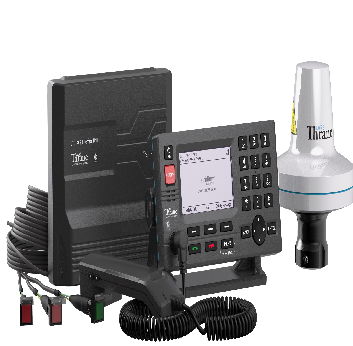
SSAS is a system on ships that sends a silent alert if the ship is in danger. For example, if pirates try to board, the crew can press a hidden button. This sends a secret message to authorities who can help quickly. Because the Gulf is a key shipping route, having SSAS is very important for safety.
Main SSAS Rules for Ships in the Gulf
- All ships sailing in the Gulf must have an IMO-approved SSAS device.
- The SSAS must be checked and tested often to make sure it works.
- Alerts must be sent quietly to security teams without alerting any attackers.
- Ship owners must keep records of tests and alerts for inspections.
- Following SSAS rules is required by both local Gulf laws and international maritime rules.
How to Install SSAS on Ships in the Gulf
SSAS devices must meet international standards like IMO Resolution MSC.136(76). The system must work well with the Global Maritime Distress and Safety System (GMDSS). Important features include:
- Alert buttons placed where crew can reach easily but hidden from attackers.
- Connection to ship’s communication system to send alerts fast.
- Backup power to keep SSAS working during power failure.
- Regular testing and maintenance by trained crew members.
Why Compliance Matters
Not following SSAS rules can lead to serious penalties. Authorities in the Gulf may fine ships or stop them from sailing. More importantly, a working SSAS can save lives and protect your ship from crime at sea. So, it is best to follow all rules carefully.
FAQs About Marine SSAS Regulations in Gulf
- Q1: What ships need SSAS in the Gulf?
All commercial ships above 500 gross tonnage must have SSAS. - Q2: How often should SSAS be tested?
At least once a month, or as required by local authorities. - Q3: Who receives the SSAS alert?
Designated maritime security authorities in the Gulf region. - Q4: Can attackers know if SSAS is triggered?
No, alerts are sent silently without alerting intruders. - Q5: What if SSAS device fails?
The ship must repair or replace it immediately to remain compliant. - Q6: Are there penalties for non-compliance?
Yes, ships can face fines or detention in Gulf ports. - Q7: Is SSAS mandatory worldwide?
Yes, under IMO regulations for certain ship types. - Q8: Who installs the SSAS?
Qualified technicians following IMO standards. - Q9: Can crew test SSAS?
Yes, but tests must not send false alerts to authorities. - Q10: Does SSAS replace other security measures?
No, it works alongside other ship security plans. - Q11: Where to get more info on Gulf SSAS rules?
Contact local maritime authorities or visit IMO’s website.
