
AUTOMATION
Oily water separators required in Dalian Port
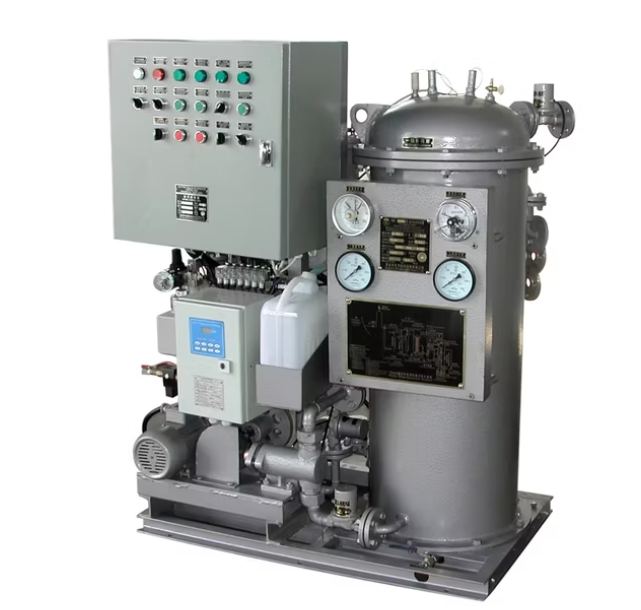
Oily water separators required in Dalian Port
Ships docking at Dalian Port must now have oily water separators (OWS). This rule helps protect the ocean from pollution. Also, it follows global environmental laws. Because of this, ships need to meet strict standards before entering the port.
What Is an Oily Water Separator?
An oily water separator cleans oily water from ships. This water, called bilge water, often contains oil and harmful substances. The separator removes the oil. After treatment, water can be safely discharged into the sea. According to international rules, oil in discharged water must be less than 15 parts per million (ppm). This helps keep the ocean clean.
Why Oily Water Separators Are Needed at Dalian Port
Dalian Port is very busy. Therefore, it needs strong rules to protect the marine environment. The port requires ships to use oily water separators. This rule supports China’s goal to reduce pollution. Also, it follows global shipping standards. Thus, using OWS helps protect sea life and keeps the port safe.
Key Regulations for Ships at Dalian Port
Firstly, ships must have OWS systems approved by international standards. Secondly, discharged water must have oil content below 15 ppm. Thirdly, ships must keep detailed records of oily water discharges. Finally, crews must be trained to operate the OWS properly.
Additionally, port officials inspect ships when they arrive. If the OWS system is broken or crew training is lacking, ships may face penalties. Therefore, it is very important to prepare before arrival.
Consequences of Non-Compliance
If a ship breaks the rules, there are consequences. For example, the ship may get fined. It may also be stopped from entering the port. Furthermore, the ship’s reputation could be damaged worldwide. In short, following these rules protects both the environment and your business.
Preparing Your Ship for Compliance
To comply, ship owners should act early. First, install a certified oily water separator. Second, test the system before the trip. Third, train all crew members well. Fourth, keep accurate logs and certificates. Finally, if unsure, ask experts for help.
By following these steps, you avoid delays and fines. Plus, you help protect our oceans. Compliance is easy with the right preparation.
Frequently Asked Questions (FAQs)
- What is the purpose of an oily water separator? It cleans oily water so it is safe to discharge.
- Is OWS mandatory for all ships at Dalian Port? Yes, especially for ships over 400 GT.
- What is the allowed oil content in discharged water? Less than 15 ppm according to MARPOL rules.
- What penalties exist for non-compliance? Fines, delays, and port entry denial.
- Do Chinese rules differ from international ones? No, Dalian Port follows international MARPOL rules.
- How often should OWS be checked? Before each voyage and regularly serviced.
- Is crew training important? Yes, it ensures proper use and compliance.
- What should be recorded in the OWS logbook? All discharges and maintenance activities.
- Who inspects OWS at the port? Port State Control and environmental officers.
- Where can ships buy approved OWS? SEANAV provides certified OWS systems and services.
- Does SEANAV help with installation and certification? Yes, including training and documentation support.
Why Choose SEANAV for Your OWS Needs?
SEANAV offers the best oily water separator systems. We provide certified products that meet all port rules. Moreover, our experts assist with installation and crew training. We also help with all documentation. By choosing SEANAV, you ensure smooth port entry and environmental compliance. Contact us today for reliable service and peace of mind.
