
AUTOMATION
Oily water separators required in Aliaga Port
Jul
Oily Water Separators Required in Aliaga Port – What You Need to Know
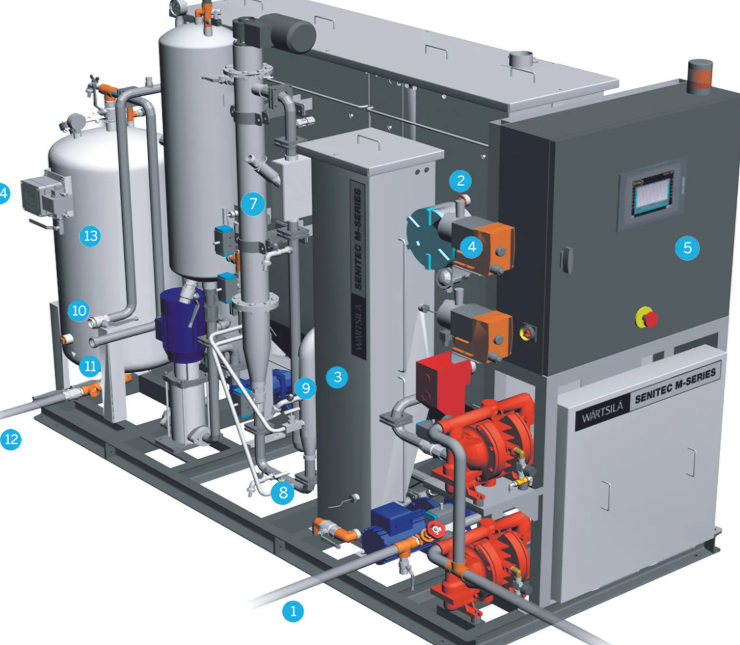
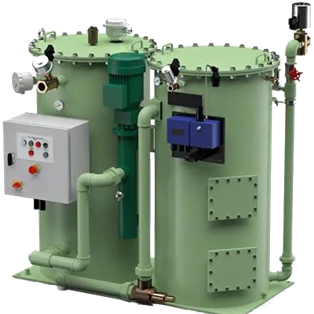
Aliaga Port in Turkey is a key hub for industrial shipping in the Aegean region. Because of high marine traffic, pollution control is now a top priority. One of the most important tools for maintaining environmental safety is the oily water separator (OWS). This system removes oil from bilge water before discharge into the sea. Therefore, it is now mandatory in Aliaga Port.
Why Are Oily Water Separators Important in Aliaga Port?
This port is visited daily by large cargo ships and tankers. Without proper treatment, bilge water can release oil into the ocean, causing harm to marine life. For this reason, the port requires vessels to use approved OWS systems. These units ensure that water discharged from ships is clean and safe. As a result, marine ecosystems are protected. In addition, using OWS systems helps reduce long-term environmental damage.
What Do the Rules Say?
Aliaga Port follows International Maritime Organization (IMO) standards. According to MARPOL regulations, all ships must use certified oily water separators. Moreover, port state control (PSC) officers regularly inspect these systems to ensure compliance. Consequently, ships that fail to comply may face heavy penalties or detainment.
Types of Oily Water Separators
- Gravity Plate Separators
- Centrifugal Separators
- Coalescing Plate Separators
- Hydrocyclone Systems
Each type has a unique design. However, all serve the same purpose—to separate oil from water effectively. Furthermore, newer systems are compact and more efficient, which makes them suitable for modern vessels.
Main Benefits of Oily Water Separators
- Help prevent marine pollution
- Ensure ships meet legal standards
- Reduce the risk of heavy fines
- Improve the reputation of shipping companies
Moreover, modern systems are easy to install and maintain, making them a smart investment. Besides that, they offer long-term operational efficiency and support sustainability goals.
How to Choose the Right OWS
Choosing an oily water separator depends on your vessel’s needs. For example, the system must match the bilge water volume and oil content on your ship. In addition, the available space and discharge standards must be considered. Therefore, expert advice is essential. SEANAV can help you select and install the right system for Aliaga Port requirements. Also, they provide after-sales support, ensuring continuous operation.
11 Frequently Asked Questions (FAQs)
- What is an oily water separator?
It is a device that removes oil from water before the water is released into the sea. - Is it required in Aliaga Port?
Yes, it is mandatory for all ships docking at the port. - What happens if I don’t use one?
You could face penalties, or your ship might be detained by authorities. - Can old vessels install an OWS?
Yes. In most cases, older ships can be retrofitted with compliant systems. - How often should the OWS be serviced?
It is generally recommended every 3 to 6 months. - What is the allowed oil content in discharge?
Oil content must be less than 15 parts per million (ppm). - Can I be fined if the OWS fails?
Yes. Ships must have functioning equipment at all times. - Who installs these systems?
Only certified professionals or marine suppliers like SEANAV should perform installations. - Does SEANAV offer OWS units?
Yes. SEANAV provides supply, installation, and servicing. - How do I request an installation?
You can contact SEANAV’s technical team online or by phone. - What if my ship lacks an OWS?
The port offers shore-based treatment services in such cases.
Conclusion
Oily water separators are essential for ships docking at Aliaga Port. They help keep the ocean clean and ensure your vessel meets legal standards. In addition, they help protect your company’s reputation. Moreover, compliant vessels can avoid unnecessary penalties. SEANAV is ready to support your ship’s compliance by offering certified equipment and expert services.
