
Communication
SSAS programming
Jul
Ship Security Alert System Programming: Ensuring Safety at Sea
 Introduction :
Ship Security Alert System Programming is crucial for keeping ships safe. It helps detect risks like piracy or unauthorized access. When a threat is found, the system sends an alert to the crew. This allows them to act quickly and protect the ship. Known as maritime security programming, it works with other ship systems, such as navigation, to ensure complete safety. Understanding ship security system programming is essential for safety at sea.
What is Ship Security Alert System Programming?
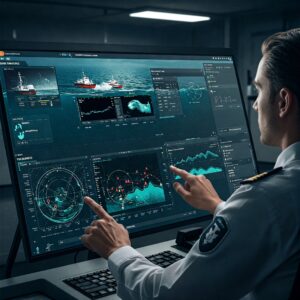
Ship Security Alert System Programming helps detect and manage threats. The system uses cameras, sensors, and radar to monitor the ship. If a risk is found, it sends an alert to the crew. As a result, the crew can take immediate action to prevent harm.
Additionally, the system works with other ship technologies, like communication and navigation systems. This integration enhances overall security without affecting regular operations.
Why is Ship Security System Programming Important?
Security is more important than ever due to rising threats, such as piracy. Ship Security System Programming helps the crew respond quickly. Consequently, it reduces human error and allows early detection of threats.
Moreover, Ship Safety Programming ensures ships follow international safety rules, like the ISPS Code. This programming plays a crucial role in protecting both the ship and its crew.
Features of Marine Security Alert Programming
-
Real-Time Threat Detection: The system detects threats using sensors and cameras.
-
Instant Alerts: Alerts are sent immediately when a threat is detected.
-
Remote Monitoring: Security teams can monitor the ship remotely, anywhere in the world.
-
Easy to Use: The system is simple to operate, even during emergencies.
These features help the crew act quickly, which is essential for ensuring the ship’s safety.
Developing Shipboard Alert Systems
When designing shipboard alert systems, reliability and simplicity are key. The system must handle different types of threats while being easy to use. Additionally, it should work well with other systems on the ship, such as navigation.
The system must also comply with global security standards, like the ISPS Code. This ensures both safety and compliance with international regulations.
10 Frequently Asked Questions (FAQs):
-
What is a Ship Security Alert System?
-
It’s a system that detects risks and sends alerts to the crew and authorities.
-
-
Why is Ship Security System Programming important?
-
It helps the crew respond quickly and protect the ship from threats.
-
-
How does Marine Security Alert Programming work?
-
The system detects threats using sensors and cameras and sends alerts to the crew.
-
-
What are the main parts of Ship Safety Programming?
-
It uses cameras, sensors, and software to detect and report threats.
-
-
How does a maritime security system detect threats?
-
maritime security system uses motion sensors, cameras, and radar to monitor the ship.
-
-
Can Ship Security Alert Systems integrate with other systems?
-
Yes, the system works well with navigation and communication systems on the ship.
-
-
What regulations must Ship Security Systems follow?
-
They must follow the ISPS Code to meet international security standards.
-
-
What role does Ship Safety Programming play in security?
-
It ensures the ship is safe and complies with international safety regulations.
-
-
How does real-time monitoring improve security?
-
It allows the crew to act quickly when a threat is detected, improving the ship’s overall security.
-
-
What challenges exist in developing a shipboard alert system?
-
The system must be reliable, easy to use, and compliant with international security standards.
-
