
Communication, GMDSS, Navcom, NAVIGATION
GMDSS – Global Maritime Distress Safety System components SOLAS compliance
Jul
GMDSS – Global Maritime Distress Safety System Components & SOLAS Compliance | SEANAV
The Global Maritime Distress and Safety System (GMDSS) is a safety system used worldwide to help ships stay safe at sea. It is required by the International Maritime Organization (IMO) under the SOLAS (Safety of Life at Sea) Convention. GMDSS makes sure that ships can send distress alerts quickly and communicate well with rescue teams and other ships.
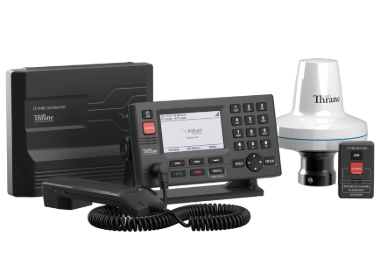
At SEANAV, we provide the best GMDSS parts that follow all SOLAS rules. Our products help ships stay safe and meet international safety standards. In this post, we will explain the main parts of GMDSS, what they do, and why they are important for ship safety.
What is GMDSS?
GMDSS is a communication system that uses satellites and radios to help ships send distress signals easily. It replaced old methods like Morse code with faster, automatic systems. Ships bigger than 300 gross tonnage that travel internationally must have GMDSS equipment on board.
Main Components of GMDSS
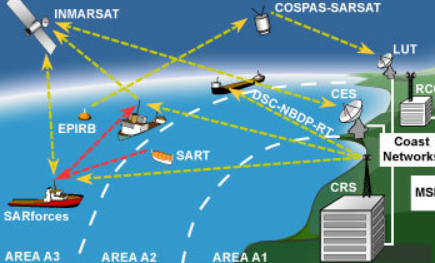
- Satellite Communication Systems: These systems, like Inmarsat, allow ships to send distress alerts and safety messages almost anywhere in the world.
- Digital Selective Calling (DSC): DSC sends automatic distress signals on radio frequencies, sharing the ship’s identity and location.
- Emergency Position-Indicating Radio Beacon (EPIRB): EPIRB sends a distress signal along with the ship’s position to satellites to help rescuers find the vessel.
- Search and Rescue Transponder (SART): SART helps rescuers locate a ship or lifeboat by responding to radar signals.
- Navtex Receiver: This device receives safety information, such as weather warnings and navigation alerts.
- VHF Radio Equipment: Provides short-range communication between ships and shore stations.
Each of these parts plays an important role in making sure ships can send and receive distress messages, depending on where they are in the ocean.
SOLAS Compliance and GMDSS
The SOLAS rules require ships to have the right GMDSS equipment based on their size and where they sail. Ships must be able to send distress alerts and receive safety information as per GMDSS standards.
If a ship does not follow these rules, it can face penalties, be stopped from entering ports, and most importantly, it puts people on board at risk. SEANAV makes sure all our GMDSS equipment meets SOLAS rules, helping you keep your ship safe and legal.
Why Choose SEANAV for GMDSS Equipment?
SEANAV has many years of experience in maritime safety equipment. We offer reliable and certified GMDSS products that work well even in tough sea conditions. Our team provides support, installation help, and maintenance services to keep your system working perfectly.
Choose SEANAV for:
- Complete GMDSS equipment sets
- Professional support and installation
- Full compliance with SOLAS rules
- Training and equipment maintenance
Frequently Asked Questions (FAQs) About GMDSS
- What ships must have GMDSS equipment?
All ships over 300 gross tonnage on international trips and passenger ships must have GMDSS equipment. - What does an EPIRB do?
An EPIRB sends a distress signal and location to satellites to help rescuers find the ship. - How does Digital Selective Calling (DSC) work?
DSC sends automatic distress alerts with the ship’s ID and location over radio. - What sea areas does GMDSS cover?
GMDSS covers different sea zones named A1, A2, A3, and A4, each with different communication methods. - Do crew members need training to use GMDSS?
Yes, crew must be trained and certified to use GMDSS equipment properly. - How often should GMDSS equipment be tested?
It should be tested regularly, following manufacturer and legal guidelines. - What is a Search and Rescue Transponder (SART)?
SART helps rescuers find ships or lifeboats by responding to radar signals. - Can GMDSS use satellites?
Yes, satellite systems like Inmarsat are key for long-range distress communication. - Does GMDSS replace old communication methods?
GMDSS improves safety by adding automatic, global communication, but it does not completely replace all old methods. - What happens if a ship does not follow GMDSS rules?
The ship may be fined, denied port entry, and face safety risks. - Where can I get certified GMDSS equipment?
SEANAV offers certified GMDSS equipment with expert support and service.
For more details about GMDSS and how to keep your ship safe, contact SEANAV. We provide the best equipment and support to help you follow all maritime safety rules easily.
