
Communication, GMDSS, Navcom, NAVIGATION
GMDSS – Global Maritime Distress Safety System explained applications
Jul
GMDSS – Global Maritime Distress Safety System Explained & Applications
The Global Maritime Distress and Safety System (GMDSS) is a system used worldwide to help ships stay safe. It allows ships to send emergency messages quickly. It also helps ships get important weather and safety information. This system works anywhere in the ocean, making it very important for all ships.
GMDSS was created by the International Maritime Organization (IMO). It replaced old ways of sending distress calls. Now, ships use modern digital radios and satellites. This makes communication faster and more reliable. Because of this, rescue teams can respond quickly to emergencies at sea.
How Does GMDSS Work?
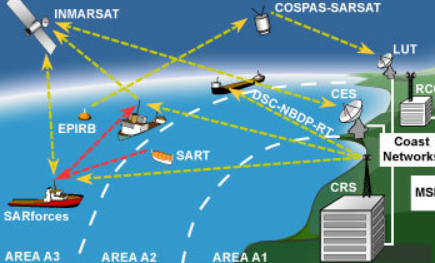
GMDSS uses several types of technology. For example, it uses satellites like Inmarsat, and radio waves such as VHF, HF, and MF. Ships have special radios and devices. These devices can send automatic distress alerts. The alerts include the ship’s position, identity, and type of emergency. This helps nearby ships and rescue centers respond faster.
Key Parts of GMDSS
- Satellite communication systems (Inmarsat)
- Digital Selective Calling (DSC) radios
- Emergency Position Indicating Radio Beacons (EPIRBs)
- Search and Rescue Transponders (SARTs)
- Navtex receivers for safety messages
What Is GMDSS Used For?
GMDSS helps ships in many ways. First, it sends distress alerts automatically during emergencies. Second, it gives ships weather updates and navigation warnings. Third, it helps rescue teams find ships in trouble. Fourth, it allows ships to talk to each other and to shore stations. Lastly, it helps ships follow international safety rules.
Benefits of Using GMDSS
Using GMDSS makes the seas safer for everyone. It cuts down the time needed to send distress messages. This helps save lives. It also lowers accidents by giving ships important safety information. For ship owners, following GMDSS rules means no fines and legal permission to sail internationally.
Frequently Asked Questions (FAQs) about GMDSS
- What does GMDSS stand for?
It means Global Maritime Distress and Safety System. - Is GMDSS required for all ships?
Yes. Large ships and passenger ships must have GMDSS equipment. - What equipment is needed for GMDSS?
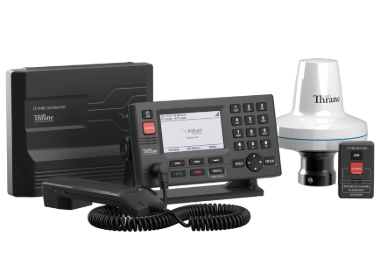
Ships need devices like Inmarsat terminals, DSC radios, EPIRBs, SARTs, and Navtex receivers. - How does GMDSS improve safety?
It sends automatic distress alerts and reliable messages, speeding up rescue efforts. - What is Digital Selective Calling (DSC)?
DSC is a system to send digital distress messages via radio. - Does GMDSS work worldwide?
Yes, it works everywhere on the ocean. - Who controls GMDSS rules?
The International Maritime Organization (IMO) and the International Telecommunication Union (ITU). - What is an EPIRB?
It is a device that sends a distress signal with the ship’s location. - How often should GMDSS equipment be checked?
Equipment should be tested regularly, before trips and as required by law. - Does GMDSS send weather updates?
Yes. It sends weather and safety messages through systems like Navtex. - What if a ship does not follow GMDSS rules?
The ship may face fines and be stopped from entering ports.
