
Annual SSAS Check, Battery Replacement, Fault Diagnosis, Hardware Repairs, IMO Compliance, Initial SSAS Setup, Integration with Bridge Equipment, ISPS Code Part B Compliance, ISPS Compliance, Marine SSAS Systems, Maritime Safety Regulations, Regulation A.19.2.4, Ship Security Equipment, Silent Alarm & Monitoring Systems, SOLAS Compliance, SSAS Antennas & Terminals, SSAS Audit Preparation, SSAS Cabling, SSAS Configuration, SSAS Installation & Setup, SSAS Maintenance & Repair, SSAS Manuals & Guides, SSAS Testing & Activation, SSAS vs. AIS, SSAS vs. LRIT, Vessel Safety & Compliance
Ship Alert System Guide in Gulf
Jul
Ship Alert System Guide in Gulf: Keeping Your Ship Safe
Shipping in the Gulf is busy and can be risky. To stay safe, ships need good alert systems. At SEANAV, we provide Ship Alert Systems designed for ships in the Gulf. These systems help crews avoid accidents and navigate safely.
This guide will explain what a Ship Alert System is, why it is important, and how it works. Also, we answer common questions to help you understand this important safety tool.
What Is a Ship Alert System?
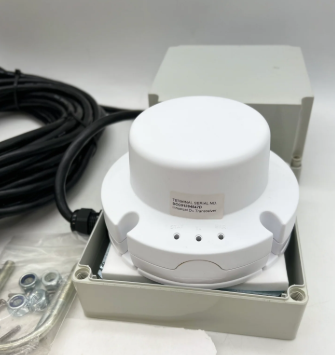
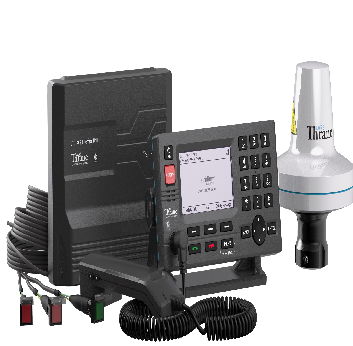
A Ship Alert System is a tool that helps ship crews see dangers around them. It uses radar, GPS, and AIS (Automatic Identification System) to spot other ships, obstacles, and bad weather. The system then warns the crew early so they can avoid accidents.
Why Do Ships in the Gulf Need This System?
The Gulf is one of the busiest shipping areas in the world. Many ships, oil tankers, fishing boats, and smaller crafts share the space. This system helps ships by:
- Alerting crews about other vessels nearby to avoid crashes.
- Helping navigation in fog, storms, or at night.
- Improving communication with port authorities and other ships.
- Reducing the risk of grounding or hitting obstacles.
Key Features of SEANAV’s Ship Alert System
- Real-time hazard detection: Spots nearby ships and weather changes fast.
- Collision warnings: Alerts the crew early about possible crashes.
- GPS and AIS integration: Tracks ships accurately in real time.
- Easy to use: Clear alerts that help the crew act quickly.
- 24/7 monitoring: Keeps watch all day and night.
SEANAV’s system works well even in the tough Gulf weather. It helps ships follow safety rules and keep their crew and cargo safe.
Frequently Asked Questions (FAQ)
- Q1: How does the Ship Alert System detect other ships?
It uses radar and AIS to find and track ships near you in real time. - Q2: Can it work in bad weather?
Yes, it works well in fog, storms, and low visibility. - Q3: Is it required for ships in the Gulf?
It is not always required, but it is highly recommended for safety. - Q4: How do you install the system?
We connect it to your ship’s radar, GPS, and communication devices. - Q5: Can it communicate with ports?
Yes, it can send alerts and ship positions to port authorities. - Q6: What alerts does it give?
It warns about collisions, obstacles, weather hazards, and helps with navigation. - Q7: Can the system be customized?
Yes, we tailor it to fit your ship’s size and needs. - Q8: How often do you update the system?
We provide regular software updates for better features and safety. - Q9: Does the crew need training?
Yes, basic training helps, and we provide manuals and support. - Q10: Is it good for all types of ships?
Yes, it works for tankers, cargo ships, fishing boats, and more. - Q11: How does it improve safety?
It gives early warnings, helping crews avoid accidents and make better decisions.
Choosing SEANAV’s Ship Alert System means safer trips in the Gulf. Contact us today to learn more about how we can help protect your ship and crew.
