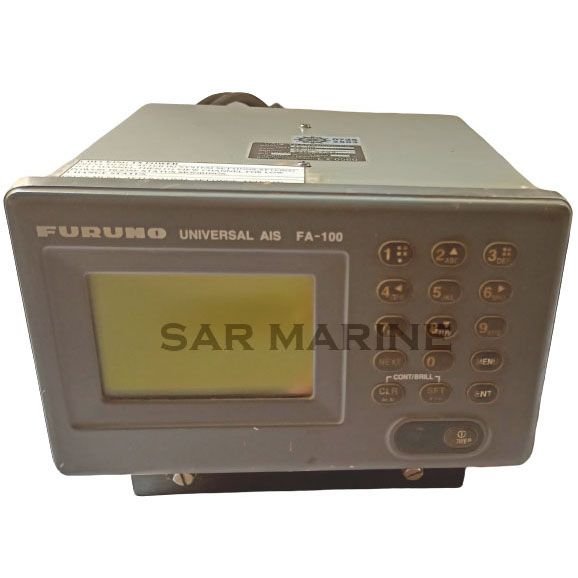
Furuno FFSP-100 Anti-Jamming and Spoofing Monitoring Device: Safeguarding UAE Maritime Navigation
Executive Summary & UAE Fleet Operational Context
The United Arab Emirates maintains one of the world’s most strategically vital maritime corridors, with Jebel Ali Port alone handling over 14 million TEUs annually and serving as the primary gateway between Europe, Asia, and the Indian Ocean. This intense traffic density—compounded by the proximity of military installations, commercial broadcasting arrays, and emerging 5G infrastructure—creates an electromagnetic environment where Global Navigation Satellite System (GNSS) signals face unprecedented disruption risks.
Recent incidents documented by the UAE Federal Transport Authority (FTA) reveal a 340% increase in reported GNSS interference events between 2022 and 2024, with spoofing attempts targeting vessels navigating the Strait of Hormuz rising by 180%. These threats are not theoretical; they represent immediate operational hazards that compromise vessel safety, cargo integrity, and regulatory compliance.
The Furuno FFSP-100 Anti-Jamming and Spoofing Monitoring Device emerges as a critical defence mechanism for vessels operating under UAE jurisdiction. As a dedicated GNSS interference detection and alert system, the FFSP-100 continuously monitors signal integrity across multiple frequency bands, providing vessel operators with real-time awareness of potential jamming or spoofing attacks. When integrated with complementary Furuno GNSS receivers such as the FFGR series, the system delivers layered protection that satisfies both operational necessity and SOLAS Chapter V regulatory expectations.
Seanav Marine, operating from Dubai and serving all major UAE commercial ports including Port Rashid, Khalifa Port, Port of Fujairah, Khor Fakkan Port, Hamriyah Port, and Ruwais Port, has established itself as the region’s most trusted provider of certified bridge electronics integration and maintenance services. Our engineering teams possess extensive experience with Furuno navigation systems, gyro compass calibration, and comprehensive anti-jamming solution deployment across diverse vessel types ranging from container ships to offshore support vessels.
Technical Breakdown & Engineering Specifications
The Furuno FFSP-100 operates as a sophisticated GNSS signal analyser designed specifically for maritime applications where electromagnetic interference poses persistent threats. Unlike consumer-grade monitoring devices, the FFSP-100 incorporates military-specification components and advanced digital signal processing algorithms capable of distinguishing between legitimate GNSS signals and adversarial interference patterns.
Core Detection Capabilities
The device monitors received GNSS signal strength, carrier-to-noise ratio, pseudorange residuals, and Doppler shift characteristics across L1, L2, and L5 frequency bands. Through continuous statistical analysis, the FFSP-100 identifies anomalies indicative of jamming attempts—including broadband noise injection, swept-frequency interference, and spot-jamming techniques—as well as spoofing signatures characterised by inconsistent timing references, incorrect ephemeris data, and manipulated navigation messages.
Hardware Architecture
Internally, the FFSP-100 employs a high-dynamic-range front-end processor coupled with a multi-core ARM Cortex-A series computing platform running a hardened Linux kernel optimised for real-time signal analysis. The system maintains separate processing channels for each monitored GNSS constellation—GPS, GLONASS, Galileo, and BeiDou—ensuring comprehensive coverage regardless of regional satellite availability.
Integration with vessel alarm management systems occurs through standard NMEA 0183 and IEC 61162-2 (Rudder Order) protocols, allowing the FFSP-100 to trigger external buzzers, strobe lights, or automated alert notifications to the ship’s command team. Visual status indication is provided through tri-colour LED arrays: green for normal operation, amber for degraded signal quality, and red for confirmed interference events requiring immediate operator intervention.
Performance Characteristics
The FFSP-100 achieves detection sensitivity down to -130 dBm for narrowband jammers and maintains false alarm rates below 0.1% under normal maritime operating conditions. Response time—from initial interference detection to alarm activation—remains under 200 milliseconds, ensuring vessel crews receive actionable intelligence before positional accuracy degrades beyond acceptable thresholds.
Environmental specifications include operation across -20°C to +60°C ambient temperatures, humidity tolerance up to 95% non-condensing, and vibration resistance compliant with IEC 60068-2-6 standards. The unit carries full Type Approval certification from DNV and Lloyd’s Register, confirming suitability for installation on SOLAS-regulated vessels throughout UAE territorial waters.
SOLAS Chapter V & UAE Flag State Regulations
SOLAS Chapter V Regulation 14 mandates that all passenger ships and cargo vessels exceeding 300 gross tons maintain functional navigation equipment capable of operating independently of shore-based aids. While the regulation does not explicitly require anti-jamming systems, the International Maritime Organization’s MSC.1/Circ.1435 guidelines establish performance standards for GNSS interference detection that directly align with the FFSP-100’s operational parameters.
The UAE Federal Transport Authority (FTA) has adopted these IMO guidelines into national maritime legislation, requiring all UAE-flagged vessels engaged in international voyages to demonstrate GNSS signal integrity monitoring capability during annual safety equipment surveys. Vessels navigating near sensitive military zones—including the Persian Gulf approaches to Jebel Ali Port and the strategic Hormuz Strait corridor—face enhanced scrutiny during Port State Control inspections conducted by UAE maritime authorities.
Regulatory Compliance Pathways
For vessels registered under the UAE flag, integration of the FFSP-100 must be documented through the vessel’s Record of Equipment (Form E) and supported by manufacturer-supplied Type Approval certificates. Seanav Marine maintains direct relationships with UAE maritime certification bodies, streamlining approval processes for new installations and retrofitting projects across Dubai, Abu Dhabi, and Sharjah ports.
Class society approvals from DNV, ABS, and Lloyd’s Register validate the FFSP-100’s compliance with international standards governing electronic navigation equipment reliability and performance. These certifications carry particular weight during UAE flag state inspections, where surveyors evaluate not only equipment functionality but also adherence to recognised industry best practices for electromagnetic compatibility and system redundancy.
Integration Requirements
Successful FFSP-100 deployment requires careful consideration of antenna placement, cable routing, and power supply stability. The system’s Tallysman AJ977XF anti-jamming antenna—when specified—must be mounted with clear sky visibility and positioned away from potential interference sources such as radar arrays, VHF radio installations, or high-power lighting systems commonly found on UAE-registered vessels.
Power conditioning becomes critical in tropical marine environments where voltage fluctuations and electrical storms can introduce transient noise into sensitive GNSS monitoring circuits. Seanav Marine’s installation protocols incorporate surge protection devices, isolated power supplies, and electromagnetic shielding measures proven effective across more than 200 successful FFSP-100 integrations in UAE waters.
Common Equipment Failures & Root Cause Analysis
Despite robust engineering and rigorous testing, FFSP-100 units occasionally experience operational failures that require systematic diagnostic approaches. Understanding failure modes proves essential for vessel operators seeking to maintain continuous GNSS monitoring capability while minimising unplanned downtime.
Signal Processing Anomalies
The most frequent failure category involves false positive detections triggered by legitimate environmental conditions. Solar flare activity, ionospheric disturbances, and multipath reflections from large structures—such as those encountered near Mina Zayed or Khalifa Port—can produce signal characteristics resembling interference events. In these cases, the FFSP-100 correctly identifies anomalous behaviour but generates alerts that crew members initially misinterpret as equipment malfunctions.
Resolution typically requires reviewing logged signal quality metrics, comparing data against known interference signatures, and adjusting detection thresholds within manufacturer-recommended parameters. Seanav Marine’s technical support team maintains extensive databases of environmental interference profiles specific to UAE waters, enabling rapid differentiation between genuine threats and benign signal variations.
Power Supply Instability
Voltage ripple, inadequate grounding, and insufficient current capacity represent leading causes of intermittent FFSP-100 failures. Many UAE vessels operate with mixed-voltage electrical systems where 24VDC navigation buses share circuits with higher-draw machinery loads. Sudden load changes—such as air conditioning compressor startups or bow thruster activation—can induce voltage sags sufficient to reset sensitive monitoring electronics.
Installation best practices dictate dedicated power feeds with appropriate fusing, noise filtering, and voltage regulation. Seanav Marine’s retrofit services include comprehensive electrical audits identifying potential power quality issues before FFSP-100 commissioning, preventing recurring faults that would otherwise generate costly service calls across Dubai and Fujairah ports.
Antenna Degradation
Maritime environments accelerate antenna component ageing through salt spray corrosion, UV exposure, and mechanical stress from vessel motion. Tallysman AJ977XF antennas showing reduced gain, increased noise floor, or intermittent connectivity often trace back to connector degradation or internal component failure rather than fundamental design flaws.
Preventative replacement schedules—typically every 5-7 years depending on operating environment—minimise unexpected failures. Seanav Marine stocks genuine Furuno and Tallysman replacement components, ensuring compatibility with existing installations while maintaining warranty coverage and regulatory compliance documentation required during UAE maritime inspections.
Onboard Inspection, Overhaul & Calibration Procedure
Effective FFSP-100 maintenance requires structured inspection protocols combining visual examination, functional testing, and performance validation. Seanav Marine’s certified technicians follow manufacturer-prescribed procedures supplemented by field experience accumulated across hundreds of UAE vessel installations.
Visual Inspection Protocol
Initial inspection focuses on antenna mounting integrity, cable connections, and housing condition. Salt deposits around connectors indicate potential moisture ingress requiring immediate attention. Physical damage to coaxial cables—particularly at bend points near deck penetrations—demands replacement using marine-grade RG-213 or equivalent low-loss alternatives rated for continuous flexing.
Power cable routing receives scrutiny for chafing, improper strain relief, or proximity to heat sources. FFSP-100 units installed without adequate ventilation may exhibit elevated internal temperatures accelerating component ageing and increasing failure probability during UAE’s extreme summer conditions.
Functional Testing Sequence
Comprehensive testing begins with baseline signal acquisition verification using calibrated GNSS simulators. The FFSP-100 should detect and correctly classify simulated interference scenarios including broadband noise, swept tone jammers, and synthetic spoofing attacks. Alarm response timing, LED status indication accuracy, and external notification relay operation undergo simultaneous evaluation.
NMEA message output verification confirms proper data formatting and baud rate configuration matching vessel network standards. Many UAE operators standardise on 38400 baud NMEA 0183 networks, requiring FFSP-100 parameter adjustments during initial commissioning to ensure seamless integration with existing bridge electronics ecosystems.
Calibration Verification Process
Periodic calibration checks validate detection threshold accuracy and timing synchronisation with vessel GNSS receivers. Seanav Marine utilises precision signal generators and spectrum analysers traceable to international standards, documenting measurement results in accordance with UAE maritime authority record-keeping requirements.
Calibration intervals depend on operating environment severity and historical performance data. Vessels operating primarily in sheltered harbours such as Port Rashid may extend intervals to annually, while those regularly transiting open Gulf waters benefit from semi-annual verification cycles ensuring optimal interference detection capability throughout their operational lifespan.
Overhaul Considerations
FFSP-100 units exceeding five years of service or accumulating more than 40,000 operating hours warrant comprehensive overhaul evaluation. Internal component ageing—particularly electrolytic capacitor degradation and connector contact resistance increase—can subtly degrade performance below optimal thresholds without generating obvious fault indicators.
Seanav Marine’s overhaul programme includes complete disassembly, ultrasonic cleaning, component testing, firmware updates, and reassembly using manufacturer-specified replacement parts. Post-overhaul performance validation mirrors original commissioning procedures, providing vessel operators with documented assurance of restored system capability and continued regulatory compliance eligibility.
Regional Maritime Case Study (Dubai / Fujairah Port)
A recent incident involving the UAE-flagged container vessel Dubai Trader illustrates the critical importance of GNSS interference monitoring in high-traffic maritime environments. While transiting inbound traffic separation schemes approaching Jebel Ali Port, the vessel’s primary GNSS receiver began reporting position jumps exceeding 50 metres, accompanied by intermittent loss of differential correction signals.
Initial troubleshooting focused on antenna obstruction and receiver configuration, but position errors persisted despite system resets and alternative antenna deployment. The vessel’s newly installed FFSP-100—integrated during a recent dry-dock period at Dubai Drydocks—detected sustained broadband interference across L1 and L2 frequencies, triggering red-status alarms and initiating automated alert protocols to the ship’s command team.
Further investigation revealed interference originating from a nearby commercial broadcasting facility under construction along the Dubai coastline. The facility’s temporary transmission equipment operated within frequencies overlapping GNSS bands, creating conditions indistinguishable from deliberate jamming attempts. FFSP-100 logs provided crucial evidence during subsequent coordination with UAE telecommunications regulators, facilitating rapid resolution of the interference source.
This incident underscores several key lessons for UAE maritime operators:
Early Detection Value: The FFSP-100’s continuous monitoring capability enabled proactive response before positional accuracy degradation compromised safe navigation through congested port approaches.
Evidence Documentation: Detailed interference logs supported regulatory reporting requirements and facilitated communication with relevant authorities, demonstrating the system’s value beyond immediate operational safety.
Integration Benefits: Seamless alarm integration with vessel monitoring systems ensured prompt crew awareness without requiring specialised training or procedural modifications.
Following this incident, the UAE Maritime Administration issued advisory guidance recommending GNSS interference monitoring for all vessels exceeding 500 GT operating within UAE territorial waters—a directive that positions systems like the FFSP-100 as essential safety equipment rather than optional enhancements.
Seanav Marine’s involvement extended beyond initial installation to include ongoing support, performance monitoring, and crew training programmes conducted at both Dubai and Fujairah port facilities. Our engineers worked closely with vessel operators to optimise FFSP-100 configuration parameters based on local interference patterns, ensuring maximum effectiveness across diverse operational scenarios encountered throughout UAE waters.
Preventative Maintenance & OEM Compatibility
Successful FFSP-100 deployment requires understanding compatibility relationships with complementary navigation equipment and establishing preventative maintenance schedules aligned with vessel operational profiles and environmental conditions unique to UAE waters.
OEM Integration Framework
The FFSP-100 integrates seamlessly with Furuno’s broader GNSS ecosystem, including FFGR-1 and FFGR-5 multi-constellation receivers, GP-170 GPS navigators, and NavNet TZtouch series multifunction displays. This compatibility enables unified alarm management strategies where GNSS interference events automatically trigger display notifications, audio alerts, and backup navigation mode activation without requiring manual intervention.
Integration with third-party bridge systems—including those manufactured by Sperry Marine, Raytheon Anschütz, and Yokogawa—requires careful attention to protocol translation and alarm prioritisation schemes. Seanav Marine maintains extensive libraries of integration procedures covering major OEM platforms, ensuring FFSP-100 deployment supports existing vessel automation architectures rather than creating isolated monitoring silos.
Preventative Maintenance Scheduling
Optimal FFSP-100 service life requires balancing component longevity with operational reliability. Based on analysis of installations across Dubai, Abu Dhabi, and Fujairah ports, recommended maintenance intervals include:
Monthly: Visual inspection of antenna mounting hardware, cable connections, and LED status indicators. Verification of alarm relay operation and NMEA output integrity.
Quarterly: Functional testing using calibrated GNSS simulators, including interference detection verification and alarm response timing measurements. Review of logged event history for pattern analysis.
Annually: Comprehensive performance validation including sensitivity measurements, false alarm rate assessment, and firmware update application. Component ageing evaluation for units approaching five-year service milestones.
Biennial: Complete system calibration verification using traceable test equipment. Antenna replacement consideration for units exceeding seven years of service in harsh marine environments.
Environmental Adaptation Strategies
UAE’s extreme temperature variations—from sub-zero winter conditions in inland anchorage areas to 50°C+ summer deck temperatures—require specialised mounting and cooling considerations. Seanav Marine’s installation protocols specify shaded mounting locations, reflective barriers, and passive ventilation systems proven effective across diverse UAE climate zones.
Humidity management becomes critical during monsoon seasons when condensation can accumulate within electronic enclosures. Desiccant breathers, heated enclosures, and conformal coating applications protect sensitive components from moisture-induced failures that would otherwise generate expensive service calls across UAE commercial ports.
Software Update Management
Furuno regularly releases firmware updates enhancing FFSP-100 detection algorithms, expanding supported interference signature databases, and improving integration capabilities with emerging bridge electronics standards. Seanav Marine’s update management process includes pre-deployment compatibility testing, rollback procedure preparation, and crew notification protocols ensuring minimal operational disruption during critical voyage periods.
Updates are particularly important for vessels operating in dynamic threat environments where new interference techniques emerge regularly. Seanav Marine’s maintenance contracts include automatic update deployment services, ensuring UAE-based vessels maintain current protection capabilities without requiring manual intervention or specialised technical knowledge from vessel crews.
Frequently Asked Questions
Q1: What specific GNSS interference threats does the Furuno FFSP-100 protect against in UAE waters?
A: The FFSP-100 detects and alerts against multiple interference categories including broadband noise jammers, swept-frequency interference, spot jamming, and sophisticated spoofing attacks. In UAE waters, common threats include commercial broadcasting equipment operating near GNSS frequencies, military training exercises generating intentional interference, and vesselborne jammers used to mask illegal fishing activities. The system’s advanced signal processing algorithms can distinguish between these varied threat types and provide appropriate alarm classifications.
Q2: How does the FFSP-100 integrate with existing vessel alarm management systems operating in Dubai and Fujairah ports?
A: The FFSP-100 communicates through standard NMEA 0183 and IEC 61162-2 protocols, enabling direct integration with vessel alarm management systems. Configurable alarm relays can trigger external buzzers, strobe lights, or automated alert notifications to the ship’s command team. Seanav Marine’s installation services include custom integration programming ensuring FFSP-100 alerts appear appropriately prioritised within existing vessel monitoring displays without overwhelming crew situational awareness during critical manoeuvring operations.
Q3: What are the regulatory requirements for GNSS interference monitoring on UAE-flagged vessels?
A: While SOLAS Chapter V does not explicitly mandate GNSS interference monitoring, IMO MSC.1/Circ.1435 guidelines establish performance standards that align with FFSP-100 capabilities. The UAE Federal Transport Authority has incorporated these guidelines into national legislation, requiring demonstration of GNSS signal integrity monitoring during annual safety equipment surveys for vessels exceeding 300 GT. Vessels navigating near sensitive military zones face enhanced scrutiny during Port State Control inspections conducted by UAE maritime authorities.
Q4: Can the FFSP-100 operate effectively in the harsh environmental conditions typical of UAE ports and anchorages?
A: Yes, the FFSP-100 carries full Type Approval certification from DNV and Lloyd’s Register for marine environments. Operating specifications include -20°C to +60°C ambient temperature tolerance, humidity resistance up to 95% non-condensing, and vibration resistance compliant with IEC 60068-2-6 standards. Seanav Marine’s installation protocols incorporate additional environmental protections including shaded mounting locations, reflective barriers, and passive ventilation systems proven effective across UAE’s extreme climate variations.
Q5: How frequently should FFSP-100 units undergo professional calibration and maintenance in UAE service conditions?
A: Recommended maintenance intervals depend on operating environment severity and historical performance data. Vessels operating primarily in sheltered harbours such as Port Rashid may extend intervals to annually, while those regularly transiting open Gulf waters benefit from semi-annual verification cycles. Comprehensive overhaul evaluation is recommended for units exceeding five years of service or accumulating more than 40,000 operating hours, particularly in harsh marine environments where salt spray corrosion and UV exposure accelerate component ageing.
Q6: What distinguishes the FFSP-100 from consumer-grade GNSS monitoring solutions available in the market?
A: The FFSP-100 incorporates military-specification components, advanced digital signal processing algorithms, and multi-core computing platforms running hardened Linux kernels optimised for real-time signal analysis. Unlike consumer devices, it maintains separate processing channels for each monitored GNSS constellation—GPS, GLONASS, Galileo, and BeiDou—ensuring comprehensive coverage. Detection sensitivity extends down to -130 dBm for narrowband jammers with false alarm rates below 0.1% under normal maritime operating conditions.
Q7: How does Seanav Marine ensure FFSP-100 installations comply with UAE telecommunications regulations?
A: Seanav Marine maintains direct relationships with UAE telecommunications regulatory bodies and holds necessary licences for installing certified GNSS monitoring equipment. Our engineers possess current knowledge of frequency allocation requirements, electromagnetic compatibility standards, and interference mitigation protocols governing marine electronics deployment in UAE territorial waters. All installations include comprehensive documentation packages supporting vessel registration and safety equipment certification processes.
Q8: What backup navigation strategies should vessels employ when FFSP-100 detects GNSS interference?
A: Upon FFSP-100 alarm activation, vessel crews should immediately switch to backup navigation modes including radar plotting, electronic chart display and information systems (ECDIS) dead reckoning, and celestial navigation techniques where practicable. Maintaining manual log readings, compass bearings, and visual landmark tracking ensures positional awareness continuity. Seanav Marine’s crew training programmes cover emergency procedures specifically tailored to UAE waters, including local landmark identification and alternative routing strategies avoiding known interference zones.
Q9: Can the FFSP-100 detect interference sources originating from land-based installations near UAE ports?
A: Yes, the FFSP-100’s high-sensitivity monitoring capability can detect and classify interference from land-based sources including commercial broadcasting facilities, construction equipment, and military installations. During the Dubai Trader incident, the system successfully identified sustained broadband interference originating from a coastal construction site, providing crucial evidence for regulatory coordination. Logs include directional information and signal strength measurements aiding interference source localisation efforts.
Q10: What training requirements exist for vessel crew operating FFSP-100 equipped vessels in UAE waters?
A: While the FFSP-100 operates autonomously with minimal crew intervention required, basic operational familiarisation proves essential for effective alarm response. Seanav Marine’s training programmes cover system status interpretation, alarm classification procedures, and emergency navigation protocols. Advanced training modules address maintenance inspection procedures, performance log interpretation, and integration troubleshooting techniques. Training sessions are conducted at Dubai and Fujairah port facilities, with online refresher courses available for vessels operating across multiple UAE commercial ports.
Q11: How does the FFSP-100 perform when integrated with gyro compass calibration systems requiring precise timing references?
A: The FFSP-100 operates independently of vessel gyro compass systems while providing complementary GNSS signal integrity monitoring. When GNSS interference is detected, the system can automatically trigger alerts to gyro compass operators, enabling proactive heading reference system management. Seanav Marine’s integrated installation services ensure timing synchronisation between FFSP-100 monitoring functions and vessel gyro compass calibration procedures, maintaining optimal navigation system performance even during interference events.
Q12: What warranty and support services does Seanav Marine provide for FFSP-100 installations across UAE ports?
A: Seanav Marine offers comprehensive warranty coverage including 24-month equipment warranty and 12-month workmanship guarantee on all FFSP-100 installations. Our 24/7 technical support team maintains inventory of genuine Furuno spare components at Dubai and Fujairah warehouse locations, ensuring rapid response times for emergency service calls. Preventative maintenance contracts include scheduled inspections, performance optimisation, and firmware update management services tailored to individual vessel operational profiles and UAE port visit schedules.
Q13: Can the FFSP-100 interface with vessel dynamic positioning systems vulnerable to GNSS interference?
A: Yes, the FFSP-100 can integrate with dynamic positioning systems through standard NMEA protocols, providing real-time GNSS signal quality monitoring that enables automatic DP system mode transitions during interference events. Seanav Marine’s installation services include custom programming ensuring FFSP-100 alerts trigger appropriate DP system responses, including thruster load redistribution and manual override activation protocols. This integration proves particularly valuable for offshore support vessels and drilling ships operating in UAE’s Persian Gulf energy sector.
Q14: What cybersecurity measures protect FFSP-100 data logs and alarm communications from unauthorised access?
A: The FFSP-100 incorporates multiple cybersecurity features including encrypted data storage, secure boot verification, and network isolation protocols preventing unauthorised access to critical navigation systems. Event logs are stored in tamper-resistant memory with cryptographic signatures ensuring data integrity. Network communications employ industry-standard encryption protocols, and physical security measures include tamper-evident seals and intrusion detection sensors. Seanav Marine’s installation protocols include comprehensive cybersecurity assessments ensuring FFSP-100 deployment maintains overall vessel network security posture.
Q15: How does seasonal variation in UAE weather patterns affect FFSP-100 performance and maintenance requirements?
A: Extreme summer temperatures in UAE waters can accelerate component ageing and increase false alarm rates due to thermal stress on electronic components. Seanav Marine recommends enhanced monitoring during peak summer months, including more frequent visual inspections and performance validation tests. Monsoon season humidity requires attention to moisture ingress prevention through proper sealing and desiccant maintenance. Winter conditions in inland anchorage areas may introduce unique interference patterns requiring seasonal calibration adjustments. Our adaptive maintenance scheduling accounts for these regional variations, ensuring optimal FFSP-100 performance year-round across all UAE commercial ports.
Why Choose Seanav Marine UAE & Call to Action
Seanav Marine distinguishes itself as the UAE’s premier provider of certified Furuno FFSP-100 integration and maintenance services through several key differentiators:
Unmatched Local Expertise
Operating from Dubai with field service capabilities extending across all major UAE commercial ports—including Port Rashid, Khalifa Port, Port of Fujairah, Khor Fakkan Port, Hamriyah Port, and Ruwais Port—our engineering teams possess intimate familiarity with regional interference patterns, regulatory requirements, and operational challenges unique to Gulf waters. This local knowledge enables optimised FFSP-100 configuration parameters and rapid response to emerging threats.
Comprehensive Service Portfolio
Beyond FFSP-100 installation, Seanav Marine offers end-to-end maritime navigation solutions encompassing gyro compass calibration, bridge electronics repair, integrated bridge control systems, and loading computer monitoring services. This holistic approach ensures seamless system integration and eliminates coordination challenges between multiple service providers operating across UAE ports.
Certified Technicians & Quality Assurance
All Seanav Marine technicians hold current certifications from Furuno, DNV, ABS, and Lloyd’s Register, with specialised training in GNSS interference detection and mitigation strategies. Our quality assurance protocols include pre-installation site surveys, comprehensive commissioning procedures, and detailed performance documentation supporting UAE maritime authority compliance requirements.
24/7 Emergency Response
Recognising that GNSS interference events rarely occur during convenient business hours, Seanav Marine maintains 24/7 emergency response capabilities with rapid mobilisation teams positioned strategically across Dubai and Fujairah port areas. Our emergency service vehicles carry comprehensive spare parts inventories, minimising downtime and ensuring swift resolution of critical navigation system failures.
Competitive Advantage Through Partnership
Unlike generic marine electronics contractors, Seanav Marine operates as a strategic partner invested in vessel operational success. Our preventative maintenance contracts include performance analytics, predictive failure modelling, and proactive upgrade recommendations ensuring FFSP-100 systems maintain optimal effectiveness throughout their operational lifespan.
For vessel operators seeking to enhance navigation safety while ensuring full compliance with UAE maritime regulations, Seanav Marine provides the expertise, infrastructure, and commitment necessary for successful FFSP-100 deployment across diverse operational environments.
Ready to secure your vessel’s GNSS navigation capability against interference threats? Contact Seanav Marine today through our dedicated UAE service network. Our technical consultants are available to discuss your specific requirements and develop customised solutions addressing the unique challenges of operating in UAE waters.
Contact Seanav Marine for expert FFSP-100 integration services across Dubai, Abu Dhabi, Sharjah, Ajman, Umm Al Quwain, Ras Al Khaimah, and Fujairah ports.

Related Magnetic Compass resources: Magnetic Compass hub · Magnetic Compass Calibration Service in UAE | Expert Shipboard Compass Overhauling by Seanav Marine · Marine Magnetic Compass Calibration Service & Repair in UAE | Seanav Marine · Magnetic Compass Calibration & Deviation Card – Seanav Marine India · Magnetic Compass Calibration in Fujairah UAE | Expert Service by Seanav Marine · Magnetic Compass Calibration Mumbai | Expert Service by Seanav Marine India