Top Global NAVCOM Service Providers: Seanav Marine’s Worldwide Marine Electronics Support
Executive Summary & Indian Maritime Corridor Context
The modern maritime industry operates within an increasingly complex web of international shipping routes, regulatory frameworks, and technological demands. As vessels traverse from the bustling ports of JNPT Nhava Sheva to the strategic waterways of the Suez Canal, the reliability of marine navigation and communication systems becomes paramount to operational success. Seanav Marine stands at the forefront of this critical sector, providing comprehensive worldwide marine electronics service that encompasses everything from routine maintenance to emergency repairs across diverse global markets including Egypt, UAE, India, Singapore, Saudi Arabia, Qatar, Oman, Bahrain, Malaysia, and beyond.
Within the context of India’s evolving maritime infrastructure, the Indian government’s Sagarmala programme has significantly enhanced port connectivity and cargo handling capabilities. This development has created unprecedented opportunities for international shipping companies to engage with Indian ports such as Mumbai Port, Chennai Port, and Cochin Port. However, it has also intensified the need for robust international maritime navigation repair services that can support vessels operating in these dynamic environments.
Seanav Marine’s approach to global ship communication experts services integrates cutting-edge technical expertise with deep understanding of regional regulatory requirements. Our team comprises certified marine electronics engineers who are well-versed in DG Shipping protocols, IRS classification standards, and SOLAS Chapter V compliance requirements. This dual competency ensures that vessels calling at ports like Visakhapatnam Port or Deendayal Port (Kandla) receive service that meets both international benchmarks and local regulatory expectations.
The complexity of modern marine bridge equipment necessitates service providers who can navigate not just geographical boundaries but also technological ones. From Sperry Marine’s Navigat X series gyro compasses to Raytheon Anschütz Standard 22 integrated navigation systems, today’s commercial vessels rely on sophisticated marine bridge equipment service that requires specialised knowledge and precision tools. Seanav Marine’s technicians undergo continuous training with major OEM manufacturers including Furuno, JRC, Yokogawa, and Kelvin Hughes, ensuring that every repair and calibration meets original equipment specifications.
Technical Breakdown & Engineering Specifications
The foundation of effective commercial vessel NAVCOM support lies in understanding the intricate engineering specifications that govern marine navigation and communication systems. Modern bridge electronics operate within stringent environmental parameters, with equipment typically designed to function reliably in temperatures ranging from -15°C to +55°C, humidity levels up to 95% non-condensing, and withstand significant vibration and shock loads encountered during oceanic voyages.
Marine radar systems, for instance, require careful attention to magnetron performance characteristics. The worldwide GMDSS radio surveys conducted by Seanav Marine technicians involve comprehensive testing of radar components including the magnetron, receiver chains, display processors, and antenna rotation mechanisms. Our engineers utilise calibrated test equipment such as spectrum analysers, power meters, and time-domain reflectometers to verify transmitter output power, receiver sensitivity, and antenna pattern integrity according to IEC 60945 standards.
Communication systems present unique challenges due to their reliance on radio frequency propagation characteristics. Seanav Marine’s global maritime automation engineers possess extensive experience with MF/HF radio transceivers, VHF handheld units, and satellite communication terminals including Inmarsat FleetBroadband and Iridium Certus platforms. These systems require precise antenna tuning, proper grounding configurations, and regular verification of emergency position-indicating radio beacons (EPIRBs) and automatic identification systems (AIS).
The integration of multiple bridge systems through NMEA 0183 and IEC 61162 protocols demands sophisticated troubleshooting capabilities. When vessels experience data communication failures between GPS receivers, gyro compasses, autopilots, and electronic chart display and information systems (ECDIS), our technicians employ protocol analysers and network diagnostic tools to identify and resolve interface issues. This offshore vessel navigation service capability is particularly crucial for specialized vessels operating in challenging environments such as offshore oil and gas fields.
Gyro compass systems represent another critical area where technical precision is essential. Whether servicing Sperry Marine’s Navigate X series, Raytheon Anschütz Standard 22 units, or Yokogawa CMZ900 installations, our engineers follow manufacturer-recommended procedures for fluid replacement, bearing inspection, and electronic compensation adjustment. The marine gyro compass service repair and maintenance protocols we implement ensure optimal performance stability and accuracy, typically maintaining deviation within ±0.5° under normal operating conditions.
Electronic chart systems require regular software updates and chart database management to maintain compliance with IHO S-52 and S-57 standards. Seanav Marine’s technicians are trained in ECDIS configuration management, ensuring that vessels operating in congested waters such as the Singapore Strait or approaching major ports like Dubai’s Jebel Ali maintain up-to-date electronic chart coverage and proper alarm parameter settings.
DG Shipping & IRS Classification Standards
The regulatory landscape governing marine electronics varies significantly across different jurisdictions, requiring service providers to maintain comprehensive knowledge of local requirements while ensuring international compliance. In India, the Directorate General of Shipping (DGS) enforces regulations based on IMO conventions and resolutions, with particular emphasis on safety of life at sea requirements outlined in SOLAS Chapter V.
Indian Register of Shipping (IRS) classification standards mandate specific inspection intervals and performance criteria for marine navigation equipment. Worldwide GMDSS radio surveys conducted by Seanav Marine adhere to both international standards and IRS-specific requirements, ensuring that vessels registered under the Indian flag or calling at Indian ports maintain full compliance with regulatory expectations.
The Mercantile Marine Department (MMD) requires documented evidence of equipment maintenance and calibration activities. Seanav Marine maintains comprehensive service records that include detailed test results, calibration certificates, and photographic documentation of work performed. These records are formatted to meet MMD submission requirements and are available to vessel operators upon request.
For vessels operating in Egypt, UAE, India, Singapore, Saudi Arabia, Qatar, Oman, Bahrain, Malaysia waters, Egypt, UAE, India, Singapore, Saudi Arabia, Qatar, Oman, Bahrain, Malaysia Maritime Administration imposes additional requirements related to port state control inspections. Seanav Marine’s technicians familiarise themselves with UAE Coast Guard regulations and Trucial State maritime laws, ensuring that equipment servicing meets local authority expectations during vessel clearance procedures at ports such as Dubai Ports World or Fujairah Port.
Singapore’s Maritime and Port Authority (MPA) maintains one of the world’s most stringent port state control regimes. Our global ship communication experts maintain current knowledge of MPA circulars and technical references, ensuring that vessels calling at Singapore Anchorage or Jurong Port receive service that satisfies MPA surveyor expectations. Similarly, Saudi Arabian ports including King Abdulaziz Port Dammam and Jeddah Islamic Port require compliance with Saudi Arabian Shipping and Ports Authority regulations, which our engineers understand thoroughly.
Bahrain’s Ministry of Transport and Communications, along with Qatar’s Ministry of Transport and Communications, implement regulatory frameworks that align with international standards while incorporating regional considerations. Seanav Marine’s service approach accommodates these variations through flexible maintenance scheduling and documentation practices that satisfy diverse regulatory requirements.
Malaysian maritime authorities, operating under the Malaysian Marine Department, enforce regulations that reflect both international best practices and local operational conditions. Our technicians receive specialised training on equipment commonly found on Malaysian-registered vessels and those calling at ports such as Port Klang or Tanjung Pelepas.
Oman’s Ministry of Transport and Communications maintains regulatory oversight that emphasises safety and environmental protection. Seanav Marine’s offshore vessel navigation service capabilities extend to supporting vessels operating in Omani territorial waters and those transiting the Gulf of Oman, where weather conditions and sea states can present unique challenges to marine electronics performance.
Common Equipment Failures & Onboard Root Cause Analysis
Understanding the typical failure modes of marine navigation and communication equipment enables more effective preventive maintenance strategies and faster resolution of operational issues. Through extensive experience conducting worldwide marine electronics service across diverse operating environments, Seanav Marine has identified recurring patterns in equipment degradation and failure causes.
Marine radar systems frequently experience magnetron failures, typically resulting from thermal stress, voltage fluctuations, or inadequate cooling. Root cause analysis often reveals that poor ventilation around radar units, inconsistent power supply quality, or extended operation beyond recommended duty cycles contribute to premature component failure. Our global maritime automation engineers employ thermal imaging technology and power quality analysers to identify contributing factors before they result in costly equipment downtime.
Gyro compass systems commonly fail due to bearing wear, fluid contamination, or electronic component aging. Analysis of returned units shows that exposure to excessive vibration, improper installation procedures, or failure to maintain recommended service intervals significantly reduces equipment lifespan. Seanav Marine’s marine gyro compass service repair and maintenance protocols include vibration analysis, fluid quality testing, and electronic component inspection to identify potential issues before they escalate.
Communication equipment failures often stem from antenna system problems, including coaxial cable degradation, connector corrosion, or antenna element damage. Salt air exposure, UV radiation, and mechanical stress from vessel motion create challenging operating conditions that can compromise antenna performance. Our technicians utilise antenna analysers and SWR meters to verify antenna system integrity and recommend appropriate protective measures.
ECDIS units may experience display failures, hard drive corruption, or software compatibility issues. Environmental factors such as temperature cycling, humidity ingress, and electromagnetic interference can affect system reliability. Seanav Marine’s troubleshooting approach includes comprehensive system diagnostics, environmental monitoring, and backup system verification to ensure continued safe navigation capability.
Autopilot systems occasionally exhibit steering instability or control inaccuracies due to hydraulic system degradation, mechanical linkage wear, or sensor calibration drift. Our engineers conduct thorough system testing including rudder angle verification, control algorithm analysis, and mechanical component inspection to restore optimal performance.
AIS transponders may experience transmission failures due to antenna issues, power supply problems, or internal component failure. Regular testing using AIS message decoders and signal strength analysers helps identify potential problems before they impact vessel visibility to other mariners and shore-based monitoring stations.
Emergency position-indicating radio beacons (EPIRBs) require periodic battery replacement and hydrostatic release inspection. Failure to maintain EPIRBs according to manufacturer specifications can result in non-functional emergency equipment during critical situations, making regular inspection and maintenance essential for crew safety.
Onboard Inspection, Overhaul & Calibration Procedure
Effective commercial vessel NAVCOM support requires systematic approaches to equipment inspection, overhaul, and calibration that ensure optimal performance and regulatory compliance. Seanav Marine’s procedures follow manufacturer recommendations while incorporating field experience gained through servicing equipment across diverse operating conditions.
Pre-inspection preparation involves reviewing vessel equipment manifests, previous service records, and known operational issues. This information gathering phase enables our engineers to focus inspection efforts on areas of highest risk and prioritise resources accordingly. For vessels calling at ports such as Mumbai Port or Chennai Port, coordination with port authorities and terminal operators ensures minimal disruption to cargo operations.
Visual inspection procedures encompass examination of equipment housings, cable connections, mounting hardware, and environmental protection measures. Our technicians check for signs of corrosion, moisture ingress, physical damage, or loose connections that could compromise equipment reliability. Particular attention is paid to areas exposed to salt spray, engine room heat, or high humidity conditions.
Functional testing follows visual inspection and involves systematic evaluation of equipment performance parameters. For marine radar systems, this includes transmitter power output verification, receiver sensitivity testing, antenna rotation speed confirmation, and display quality assessment. Worldwide GMDSS radio surveys incorporate comprehensive communication system testing including MF/HF radio performance, VHF channel clarity, and satellite communication link quality verification.
Calibration procedures vary by equipment type but generally involve comparison of measured outputs against traceable reference standards. Gyro compass calibration requires careful consideration of vessel heading, trim, and list conditions to ensure accurate deviation table generation. Electronic navigation equipment calibration includes GPS position accuracy verification, AIS message format validation, and ECDIS chart overlay alignment confirmation.
Overhaul procedures for complex systems such as integrated bridge assemblies involve complete disassembly, component cleaning, wear inspection, lubrication, and reassembly following manufacturer torque specifications. Our engineers maintain detailed work logs documenting every step of the overhaul process, including part numbers replaced, test results obtained, and adjustments made.
Documentation requirements include completion of manufacturer service checklists, generation of calibration certificates, and preparation of comprehensive service reports. These documents serve multiple purposes including regulatory compliance demonstration, warranty claim support, and historical record keeping for future maintenance planning.
Post-service verification involves final system testing under simulated operating conditions to confirm proper functionality and performance restoration. For vessels preparing to depart ports such as JNPT Nhava Sheva or Haldia Port, this verification process ensures that all navigation and communication systems meet operational readiness requirements before sea trials commence.
Indian Commercial Port Case Study (JNPT / Mumbai Port)
The Jawaharlal Nehru Port Trust (JNPT) Nhava Sheva, located near Mumbai, represents one of India’s busiest container handling facilities and a critical node in the country’s maritime infrastructure. Handling over 5 million TEUs annually, the port serves as a gateway for international trade involving major shipping lines and terminal operators. This high-volume environment creates unique challenges for marine electronics service providers requiring rapid response capabilities and extensive technical resources.
A recent case study involving a 76,000 DWT bulk carrier calling at Jawaharlal Nehru Port illustrates the complexity of worldwide marine electronics service in busy commercial environments. The vessel experienced simultaneous failures in its Sperry Marine Navigat X gyro compass and Furuno FAR-2130 radar system during approach to the port’s pilot boarding area. Given the vessel’s tight departure schedule and the port’s heavy traffic density, immediate resolution was critical to avoid costly delays and potential safety hazards.
Seanav Marine’s response team mobilised within two hours of notification, deploying certified technicians equipped with specialised diagnostic tools and replacement components. The gyro compass failure was traced to bearing wear exacerbated by prolonged operation without scheduled maintenance. Our engineers completed the overhaul within four hours, including fluid replacement, bearing inspection, and electronic compensation adjustment. Concurrently, the radar system issue was identified as magnetron degradation causing reduced transmitter power output and poor target definition.
The marine gyro compass service repair and maintenance procedure followed IRS classification requirements and DG Shipping guidelines, with all work documented according to MMD submission standards. Pre-repair testing confirmed the identified faults, while post-repair calibration verified compliance with accuracy requirements specified in SOLAS Chapter V regulations.
Port coordination proved essential given JNPT’s operational constraints and security protocols. Working closely with port authorities, pilot associations, and terminal operators, our team ensured that service activities did not interfere with normal port operations while meeting the vessel’s tight timeline requirements. The successful completion of both repairs allowed the vessel to depart safely within its scheduled window, avoiding demurrage charges and maintaining operational efficiency.
Mumbai Port, situated within the same metropolitan area, presents similar challenges but with distinct operational characteristics. The port’s basin location subjects vessels to different environmental conditions compared to JNPT’s deep-water facilities. Salt air exposure, tidal variations, and urban pollution create specific challenges for marine electronics longevity and performance reliability.
A case involving a container vessel’s communication system failure at Mumbai Port highlighted the importance of global ship communication experts capabilities in urban port environments. The vessel’s Icom IC-M801 radio exhibited intermittent transmission problems affecting communication with VTS operators and shore-based maintenance facilities. Investigation revealed that connector corrosion, likely accelerated by Mumbai’s coastal climate and industrial atmosphere, was causing signal degradation.
Our technicians implemented comprehensive connector replacement and protective coating application procedures, utilising marine-grade materials suitable for the local environmental conditions. The solution incorporated corrosion-resistant hardware and sealed connection points designed to withstand ongoing exposure to salt-laden air and industrial contaminants common in the Mumbai Port area.
These case studies demonstrate Seanav Marine’s ability to deliver high-quality commercial vessel NAVCOM support in demanding commercial port environments while maintaining compliance with Indian regulatory requirements and operational standards expected at major international ports.
Preventative Maintenance & OEM Compatibility
Preventative maintenance programmes form the cornerstone of reliable marine electronics operation, reducing unexpected equipment failures and extending service life through regular inspection, cleaning, and calibration activities. Seanav Marine’s approach to worldwide marine electronics service incorporates comprehensive maintenance scheduling tailored to individual vessel operating profiles and equipment criticality assessments.
Major OEM manufacturers provide recommended service intervals based on equipment design parameters and typical operating conditions. However, real-world vessel operations often expose equipment to more severe conditions than laboratory testing scenarios, necessitating more frequent inspection and maintenance activities. Our engineers work closely with vessel operators to develop customised maintenance schedules that balance regulatory compliance requirements with operational efficiency considerations.
Sperry Marine equipment, including the popular Navigat X series gyro compasses, benefits from our technicians’ specialised training and access to genuine spare parts. Marine gyro compass service repair and maintenance procedures follow manufacturer specifications while incorporating field experience insights that improve long-term equipment reliability. Regular fluid analysis, bearing inspection, and electronic component testing help identify potential issues before they result in operational failures.
Raytheon Anschütz systems, widely used across commercial shipping fleets, require particular attention to software version management and system integration compatibility. Our global maritime automation engineers maintain current knowledge of firmware updates and configuration changes that may affect system performance or interoperability with other bridge equipment.
Furuno equipment, known for its robust construction and reliable performance, still requires regular maintenance to maintain optimal functionality. Radar system maintenance includes magnetron performance monitoring, antenna drive mechanism lubrication, and display unit cleaning to prevent dust accumulation that can affect heat dissipation and component longevity.
JRC (Japan Radio Company) equipment, popular in Asian shipping markets, requires specialised knowledge of Japanese technical documentation and service procedures. Our technicians maintain proficiency in JRC-specific diagnostic techniques and have access to manufacturer service bulletins that address known issues and recommended improvements.
Yokogawa systems, particularly the CMZ900 gyro compass series, benefit from our engineers’ understanding of Japanese manufacturing quality standards and precision engineering principles. Regular calibration and adjustment procedures ensure continued compliance with accuracy requirements specified in international standards.
Kelvin Hughes radar and navigation equipment, used extensively in European and Middle Eastern shipping operations, requires familiarity with UK technical standards and European regulatory requirements. Our offshore vessel navigation service capabilities include support for Kelvin Hughes equipment operating in harsh marine environments typical of offshore oil and gas exploration activities.
Compatibility considerations become increasingly important as vessels upgrade older equipment or integrate new systems with existing installations. Seanav Marine’s engineers evaluate system compatibility before recommending equipment upgrades or replacements, ensuring that new installations integrate seamlessly with existing bridge electronics while maintaining required performance standards.
Frequently Asked Questions (FAQs)
Q1: What qualifications do Seanav Marine technicians hold for marine electronics service?
A1: All Seanav Marine technicians hold recognised maritime electronics certifications including STCW endorsement for GMDSS, manufacturer-specific training certificates from major OEMs, and relevant electrical safety qualifications. Our engineers regularly attend manufacturer training courses and maintain current knowledge of evolving technical standards and equipment designs.
Q2: How quickly can Seanav Marine respond to emergency equipment failures at sea?
A2: Seanav Marine maintains 24/7 emergency response capabilities with regional support centres strategically located near major shipping routes. Response times vary by location but typically range from 2-4 hours for port-based emergencies to immediate remote support via satellite communication for vessels at sea.
Q3: Does Seanav Marine provide service for vessels registered under different flag states?
A3: Yes, Seanav Marine provides worldwide marine electronics service for vessels of all nationalities and flag registrations. Our technicians maintain familiarity with diverse regulatory requirements and can provide documentation compliant with various flag state administration requirements.
Q4: What types of marine communication equipment does Seanav Marine service?
A4: We service complete GMDSS communication suites including MF/HF radios, VHF transceivers, satellite communication terminals, EPIRBs, AIS transponders, and emergency communication equipment from major manufacturers including Icom, Standard Horizon, Sailor, and Furuno.
Q5: How often should marine gyro compasses be calibrated and serviced?
A5: Gyro compasses should undergo annual calibration and routine maintenance checks every six months. However, vessels operating in demanding environments or experiencing heavy weather conditions may require more frequent inspection. Seanav Marine recommends following manufacturer guidelines while considering actual operating conditions.
Q6: Can Seanav Marine provide underwater locator beacon testing services?
A6: Yes, we provide comprehensive EPIRB and emergency position-indicating radio beacon testing services including battery replacement, hydrostatic release inspection, and functional testing according to SOLAS and flag state requirements.
Q7: What documentation does Seanav Marine provide after service completion?
A7: We provide detailed service reports including test results, calibration certificates, parts replaced, and compliance verification documentation suitable for port state control inspections and flag state submissions.
Q8: Does Seanav Marine stock spare parts for common marine electronics equipment?
A8: Yes, we maintain extensive inventories of critical spare parts and consumables for major equipment manufacturers, enabling rapid turnaround times for repair and replacement services.
Q9: How does Seanav Marine ensure compliance with international safety standards?
A9: All our service procedures follow IMO guidelines, IEC standards, and relevant classification society requirements. Our technicians maintain current training certifications and adhere to established safety protocols during all onboard activities.
Q10: Can Seanav Marine support vessels during dry dock periods?
A10: Absolutely. We coordinate with dry dock scheduling to provide comprehensive equipment inspection, maintenance, and calibration services during planned yard periods, minimising vessel downtime and maximising operational efficiency.
Q11: What experience does Seanav Marine have with offshore vessel navigation equipment?
A11: Our offshore vessel navigation service capabilities include specialised support for dynamic positioning systems, offshore communication networks, and navigation equipment designed for harsh marine environments typical of offshore oil and gas operations.
Q12: How does Seanav Marine handle warranty claims for equipment repairs?
A12: We maintain direct relationships with major OEM manufacturers and can process warranty claims efficiently. Our technicians follow manufacturer repair procedures and documentation requirements to ensure warranty validity and customer satisfaction.
Q13: What preventive maintenance programmes does Seanav Marine offer?
A13: We provide customised preventive maintenance contracts including scheduled inspections, calibration services, and priority emergency response. Programmes are tailored to individual vessel operating profiles and equipment inventories.
Q14: Can Seanav Marine provide training for ship crew on equipment operation and basic maintenance?
A14: Yes, we offer onboard training sessions covering equipment operation, basic troubleshooting, and routine maintenance procedures to enhance crew self-sufficiency and reduce dependency on external service providers.
Q15: How does Seanav Marine stay current with evolving marine electronics technology?
A15: Our engineers participate in continuous professional development including manufacturer training courses, technical seminars, and industry conferences. We maintain partnerships with leading OEMs to ensure access to latest technical developments and service procedures.
Why Choose Seanav Marine India & Call to Action
Seanav Marine distinguishes itself as a premier provider of worldwide marine electronics service through a combination of technical expertise, global reach, and unwavering commitment to customer satisfaction. Our organisation understands that reliable navigation and communication systems are fundamental to safe and efficient maritime operations, which is why we invest continuously in technician training, equipment capabilities, and service delivery excellence.
Operating across key maritime regions including Egypt, UAE, India, Singapore, Saudi Arabia, Qatar, Oman, Bahrain, and Malaysia, Seanav Marine maintains local presence and regional expertise necessary to support vessels operating in diverse environments and regulatory frameworks. Our global ship communication experts possess deep understanding of regional port procedures, authority requirements, and operational characteristics specific to each market we serve.
The quality of our commercial vessel NAVCOM support services reflects our commitment to technical excellence and customer satisfaction. From routine maintenance to complex system overhauls, every service activity follows established procedures designed to ensure optimal equipment performance and regulatory compliance. Our engineers maintain current certifications from major OEM manufacturers and participate in ongoing professional development to stay abreast of evolving technology and service requirements.
Seanav Marine’s marine bridge equipment service capabilities extend across complete navigation and communication system portfolios, providing comprehensive support that minimises vessel downtime and maximises operational efficiency. Whether supporting vessels calling at major ports such as JNPT Nhava Sheva, Mumbai Port, or Chennai Port, or providing offshore vessel navigation service in challenging offshore environments, our approach remains consistent: deliver reliable, professional service that meets and exceeds customer expectations.
For vessel operators seeking dependable worldwide GMDSS radio surveys and marine electronics service, Seanav Marine offers unparalleled technical expertise backed by proven experience across diverse operating environments. Our commitment to quality, safety, and customer satisfaction makes us the preferred choice for global maritime automation engineers and ship operators worldwide.
To discuss your vessel’s marine electronics service requirements or schedule a comprehensive equipment inspection, contact Seanav Marine today through our official website at https://seanav.org/contact. Our dedicated customer service team is available 24/7 to provide immediate assistance and coordinate service activities according to your operational schedule and requirements.
=== ARTICLE BODY START ===
Top Global NAVCOM Service Providers: Seanav Marine’s Worldwide Marine Electronics Support
Executive Summary & Indian Maritime Corridor Context
The modern maritime industry operates within an increasingly complex web of international shipping routes, regulatory frameworks, and technological demands. As vessels traverse from the bustling ports of JNPT Nhava Sheva to the strategic waterways of the Suez Canal, the reliability of marine navigation and communication systems becomes paramount to operational success. Seanav Marine stands at the forefront of this critical sector, providing comprehensive worldwide marine electronics service that encompasses everything from routine maintenance to emergency repairs across diverse global markets including Egypt, UAE, India, Singapore, Saudi Arabia, Qatar, Oman, Bahrain, Malaysia, and beyond.
Within the context of India’s evolving maritime infrastructure, the Indian government’s Sagarmala programme has significantly enhanced port connectivity and cargo handling capabilities. This development has created unprecedented opportunities for international shipping companies to engage with Indian ports such as Mumbai Port, Chennai Port, and Cochin Port. However, it has also intensified the need for robust international maritime navigation repair services that can support vessels operating in these dynamic environments.
Seanav Marine’s approach to global ship communication experts services integrates cutting-edge technical expertise with deep understanding of regional regulatory requirements. Our team comprises certified marine electronics engineers who are well-versed in DG Shipping protocols, IRS classification standards, and SOLAS Chapter V compliance requirements. This dual competency ensures that vessels calling at ports like Visakhapatnam Port or Deendayal Port (Kandla) receive service that meets both international benchmarks and local regulatory expectations.
The complexity of modern marine bridge equipment necessitates service providers who can navigate not just geographical boundaries but also technological ones. From Sperry Marine’s Navigat X series gyro compasses to Raytheon Anschütz Standard 22 integrated navigation systems, today’s commercial vessels rely on sophisticated marine bridge equipment service that requires specialised knowledge and precision tools. Seanav Marine’s technicians undergo continuous training with major OEM manufacturers including Furuno, JRC, Yokogawa, and Kelvin Hughes, ensuring that every repair and calibration meets original equipment specifications.
Technical Breakdown & Engineering Specifications
The foundation of effective commercial vessel NAVCOM support lies in understanding the intricate engineering specifications that govern marine navigation and communication systems. Modern bridge electronics operate within stringent environmental parameters, with equipment typically designed to function reliably in temperatures ranging from -15°C to +55°C, humidity levels up to 95% non-condensing, and withstand significant vibration and shock loads encountered during oceanic voyages.
Marine radar systems, for instance, require careful attention to magnetron performance characteristics. The worldwide GMDSS radio surveys conducted by Seanav Marine technicians involve comprehensive testing of radar components including the magnetron, receiver chains, display processors, and antenna rotation mechanisms. Our engineers utilise calibrated test equipment such as spectrum analysers, power meters, and time-domain reflectometers to verify transmitter output power, receiver sensitivity, and antenna pattern integrity according to IEC 60945 standards.
Communication systems present unique challenges due to their reliance on radio frequency propagation characteristics. Seanav Marine’s global maritime automation engineers possess extensive experience with MF/HF radio transceivers, VHF handheld units, and satellite communication terminals including Inmarsat FleetBroadband and Iridium Certus platforms. These systems require precise antenna tuning, proper grounding configurations, and regular verification of emergency position-indicating radio beacons (EPIRBs) and automatic identification systems (AIS).
The integration of multiple bridge systems through NMEA 0183 and IEC 61162 protocols demands sophisticated troubleshooting capabilities. When vessels experience data communication failures between GPS receivers, gyro compasses, autopilots, and electronic chart display and information systems (ECDIS), our technicians employ protocol analysers and network diagnostic tools to identify and resolve interface issues. This offshore vessel navigation service capability is particularly crucial for specialized vessels operating in challenging environments such as offshore oil and gas fields.
Gyro compass systems represent another critical area where technical precision is essential. Whether servicing Sperry Marine’s Navigate X series, Raytheon Anschütz Standard 22 units, or Yokogawa CMZ900 installations, our engineers follow manufacturer-recommended procedures for fluid replacement, bearing inspection, and electronic compensation adjustment. The marine gyro compass service repair and maintenance protocols we implement ensure optimal performance stability and accuracy, typically maintaining deviation within ±0.5° under normal operating conditions.
Electronic chart systems require regular software updates and chart database management to maintain compliance with IHO S-52 and S-57 standards. Seanav Marine’s technicians are trained in ECDIS configuration management, ensuring that vessels operating in congested waters such as the Singapore Strait or approaching major ports like Dubai’s Jebel Ali maintain up-to-date electronic chart coverage and proper alarm parameter settings.
DG Shipping & IRS Classification Standards
The regulatory landscape governing marine electronics varies significantly across different jurisdictions, requiring service providers to maintain comprehensive knowledge of local requirements while ensuring international compliance. In India, the Directorate General of Shipping (DGS) enforces regulations based on IMO conventions and resolutions, with particular emphasis on safety of life at sea requirements outlined in SOLAS Chapter V.
Indian Register of Shipping (IRS) classification standards mandate specific inspection intervals and performance criteria for marine navigation equipment. Worldwide GMDSS radio surveys conducted by Seanav Marine adhere to both international standards and IRS-specific requirements, ensuring that vessels registered under the Indian flag or calling at Indian ports maintain full compliance with regulatory expectations.
The Mercantile Marine Department (MMD) requires documented evidence of equipment maintenance and calibration activities. Seanav Marine maintains comprehensive service records that include detailed test results, calibration certificates, and photographic documentation of work performed. These records are formatted to meet MMD submission requirements and are available to vessel operators upon request.
For vessels operating in Egypt, UAE, India, Singapore, Saudi Arabia, Qatar, Oman, Bahrain, Malaysia waters, Egypt, UAE, India, Singapore, Saudi Arabia, Qatar, Oman, Bahrain, Malaysia Maritime Administration imposes additional requirements related to port state control inspections. Seanav Marine’s technicians familiarise themselves with UAE Coast Guard regulations and Trucial State maritime laws, ensuring that equipment servicing meets local authority expectations during vessel clearance procedures at ports such as Dubai Ports World or Fujairah Port.
Singapore’s Maritime and Port Authority (MPA) maintains one of the world’s most stringent port state control regimes. Our global ship communication experts maintain current knowledge of MPA circulars and technical references, ensuring that vessels calling at Singapore Anchorage or Jurong Port receive service that satisfies MPA surveyor expectations. Similarly, Saudi Arabian ports including King Abdulaziz Port Dammam and Jeddah Islamic Port require compliance with Saudi Arabian Shipping and Ports Authority regulations, which our engineers understand thoroughly.
Bahrain’s Ministry of Transport and Communications, along with Qatar’s Ministry of Transport and Communications, implement regulatory frameworks that align with international standards while incorporating regional considerations. Seanav Marine’s service approach accommodates these variations through flexible maintenance scheduling and documentation practices that satisfy diverse regulatory requirements.
Malaysian maritime authorities, operating under the Malaysian Marine Department, enforce regulations that reflect both international best practices and local operational conditions. Our technicians receive specialised training on equipment commonly found on Malaysian-registered vessels and those calling at ports such as Port Klang or Tanjung Pelepas.
Oman’s Ministry of Transport and Communications maintains regulatory oversight that emphasises safety and environmental protection. Seanav Marine’s offshore vessel navigation service capabilities extend to supporting vessels operating in Omani territorial waters and those transiting the Gulf of Oman, where weather conditions and sea states can present unique challenges to marine electronics performance.
Common Equipment Failures & Onboard Root Cause Analysis
Understanding the typical failure modes of marine navigation and communication equipment enables more effective preventive maintenance strategies and faster resolution of operational issues. Through extensive experience conducting worldwide marine electronics service across diverse operating environments, Seanav Marine has identified recurring patterns in equipment degradation and failure causes.
Marine radar systems frequently experience magnetron failures, typically resulting from thermal stress, voltage fluctuations, or inadequate cooling. Root cause analysis often reveals that poor ventilation around radar units, inconsistent power supply quality, or extended operation beyond recommended duty cycles contribute to premature component failure. Our global maritime automation engineers employ thermal imaging technology and power quality analysers to identify contributing factors before they result in costly equipment downtime.
Gyro compass systems commonly fail due to bearing wear, fluid contamination, or electronic component aging. Analysis of returned units shows that exposure to excessive vibration, improper installation procedures, or failure to maintain recommended service intervals significantly reduces equipment lifespan. Seanav Marine’s troubleshooting approach includes vibration analysis, fluid quality testing, and electronic component inspection to identify potential issues before they escalate.
Communication equipment failures often stem from antenna system problems, including coaxial cable degradation, connector corrosion, or antenna element damage. Salt air exposure, UV radiation, and mechanical stress from vessel motion create challenging operating conditions that can compromise antenna performance. Our technicians utilise antenna analysers and SWR meters to verify antenna system integrity and recommend appropriate protective measures.
ECDIS units may experience display failures, hard drive corruption, or software compatibility issues. Environmental factors such as temperature cycling, humidity ingress, and electromagnetic interference can affect system reliability. Seanav Marine’s troubleshooting approach includes comprehensive system diagnostics, environmental monitoring, and backup system verification to ensure continued safe navigation capability.
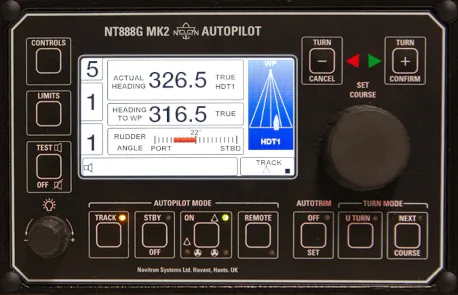
Autopilot systems occasionally exhibit steering instability or control inaccuracies due to hydraulic system degradation, mechanical linkage wear, or sensor calibration drift. Our engineers conduct thorough system testing including rudder angle verification, control algorithm analysis, and mechanical component inspection to restore optimal performance.
AIS transponders may experience transmission failures due to antenna issues, power supply problems, or internal component failure. Regular testing using AIS message decoders and signal strength analysers helps identify potential problems before they impact vessel visibility to other mariners and shore-based monitoring stations.
Emergency position-indicating radio beacons (EPIRBs) require periodic battery replacement and hydrostatic release inspection. Failure to maintain EPIRBs according to manufacturer specifications can result in non-functional emergency equipment during critical situations, making regular inspection and maintenance essential for crew safety.
Onboard Inspection, Overhaul & Calibration Procedure
Effective commercial vessel NAVCOM support requires systematic approaches to equipment inspection, overhaul, and calibration that ensure optimal performance and regulatory compliance. Seanav Marine’s procedures follow manufacturer recommendations while incorporating field experience gained through servicing equipment across diverse operating conditions.
Pre-inspection preparation involves reviewing vessel equipment manifests, previous service records, and known operational issues. This information gathering phase enables our engineers to focus inspection efforts on areas of highest risk and prioritise resources accordingly. For vessels calling at ports such as Mumbai Port or Chennai Port, coordination with port authorities and terminal operators ensures minimal disruption to cargo operations.
Visual inspection procedures encompass examination of equipment housings, cable connections, mounting hardware, and environmental protection measures. Our technicians check for signs of corrosion, moisture ingress, physical damage, or loose connections that could compromise equipment reliability. Particular attention is paid to areas exposed to salt spray, engine room heat, or high humidity conditions.
Functional testing follows visual inspection and involves systematic evaluation of equipment performance parameters. For marine radar systems, this includes transmitter power output verification, receiver sensitivity testing, antenna rotation speed confirmation, and display quality assessment. Worldwide GMDSS radio surveys incorporate comprehensive communication system testing including MF/HF radio performance, VHF channel clarity, and satellite communication link quality verification.
Calibration procedures vary by equipment type but generally involve comparison of measured outputs against traceable reference standards. Gyro compass calibration requires careful consideration of vessel heading, trim, and list conditions to ensure accurate deviation table generation. Electronic navigation equipment calibration includes GPS position accuracy verification, AIS message format validation, and ECDIS chart overlay alignment confirmation.
Overhaul procedures for complex systems such as integrated bridge assemblies involve complete disassembly, component cleaning, wear inspection, lubrication, and reassembly following manufacturer torque specifications. Our engineers maintain detailed work logs documenting every step of the overhaul process, including part numbers replaced, test results obtained, and adjustments made.
Documentation requirements include completion of manufacturer service checklists, generation of calibration certificates, and preparation of comprehensive service reports. These documents serve multiple purposes including regulatory compliance demonstration, warranty claim support, and historical record keeping for future maintenance planning.
Post-service verification involves final system testing under simulated operating conditions to confirm proper functionality and performance restoration. For vessels preparing to depart ports such as JNPT Nhava Sheva or Haldia Port, this verification process ensures that all navigation and communication systems meet operational readiness requirements before sea trials commence.
Indian Commercial Port Case Study (JNPT / Mumbai Port)
The Jawaharlal Nehru Port Trust (JNPT) Nhava Sheva, located near Mumbai, represents one of India’s busiest container handling facilities and a critical node in the country’s maritime infrastructure. Handling over 5 million TEUs annually, the port serves as a gateway for international trade involving major shipping lines and terminal operators. This high-volume environment creates unique challenges for marine electronics service providers requiring rapid response capabilities and extensive technical resources.
A recent case study involving a 76,000 DWT bulk carrier calling at Jawaharlal Nehru Port illustrates the complexity of worldwide marine electronics service in busy commercial environments. The vessel experienced simultaneous failures in its Sperry Marine Navigat X gyro compass and Furuno FAR-2130 radar system during approach to the port’s pilot boarding area. Given the vessel’s tight departure schedule and the port’s heavy traffic density, immediate resolution was critical to avoid costly delays and potential safety hazards.
Seanav Marine’s response team mobilised within two hours of notification, deploying certified technicians equipped with specialised diagnostic tools and replacement components. The gyro compass failure was traced to bearing wear exacerbated by prolonged operation without scheduled maintenance. Our engineers completed the overhaul within four hours, including fluid replacement, bearing inspection, and electronic compensation adjustment. Concurrently, the radar system issue was identified as magnetron degradation causing reduced transmitter power output and poor target definition.
The marine gyro compass service repair and maintenance procedure followed IRS classification requirements and DG Shipping guidelines, with all work documented according to MMD submission standards. Pre-repair testing confirmed the identified faults, while post-repair calibration verified compliance with accuracy requirements specified in SOLAS Chapter V regulations.
Port coordination proved essential given JNPT’s operational constraints and security protocols. Working closely with port authorities, pilot associations, and terminal operators, our team ensured that service activities did not interfere with normal port operations while meeting the vessel’s tight timeline requirements. The successful completion of both repairs allowed the vessel to depart safely within its scheduled window, avoiding demurrage charges and maintaining operational efficiency.
Mumbai Port, situated within the same metropolitan area, presents similar challenges but with distinct operational characteristics. The port’s basin location subjects vessels to different environmental conditions compared to JNPT’s deep-water facilities. Salt air exposure, tidal variations, and urban pollution create specific challenges for marine electronics longevity and performance reliability.
A case involving a container vessel’s communication system failure at Mumbai Port highlighted the importance of global ship communication experts capabilities in urban port environments. The vessel’s Icom IC-M801 radio exhibited intermittent transmission problems affecting communication with VTS operators and shore-based maintenance facilities. Investigation revealed that connector corrosion, likely accelerated by Mumbai’s coastal climate and industrial atmosphere, was causing signal degradation.
Our technicians implemented comprehensive connector replacement and protective coating application procedures, utilising marine-grade materials suitable for the local environmental conditions. The solution incorporated corrosion-resistant hardware and sealed connection points designed to withstand ongoing exposure to salt-laden air and industrial contaminants common in the Mumbai Port area.
These case studies demonstrate Seanav Marine’s ability to deliver high-quality commercial vessel NAVCOM support in demanding commercial port environments while maintaining compliance with Indian regulatory requirements and operational standards expected at major international ports.
Preventative Maintenance & OEM Compatibility
Preventative maintenance programmes form the cornerstone of reliable marine electronics operation, reducing unexpected equipment failures and extending service life through regular inspection, cleaning, and calibration activities. Seanav Marine’s approach to worldwide marine electronics service incorporates comprehensive maintenance scheduling tailored to individual vessel operating profiles and equipment criticality assessments.
Major OEM manufacturers provide recommended service intervals based on equipment design parameters and typical operating conditions. However, real-world vessel operations often expose equipment to more severe conditions than laboratory testing scenarios, necessitating more frequent inspection and maintenance activities. Our engineers work closely with vessel operators to develop customised maintenance schedules that balance regulatory compliance requirements with operational efficiency considerations.
Sperry Marine equipment, including the popular Navigat X series gyro compasses, benefits from our technicians’ specialised training and access to genuine spare parts. Marine gyro compass service repair and maintenance procedures follow manufacturer specifications while incorporating field experience insights that improve long-term equipment reliability. Regular fluid analysis, bearing inspection, and electronic component testing help identify potential issues before they result in operational failures.
Raytheon Anschütz systems, widely used across commercial shipping fleets, require particular attention to software version management and system integration compatibility. Our global maritime automation engineers maintain current knowledge of firmware updates and configuration changes that may affect system performance or interoperability with other bridge equipment.
Furuno equipment, known for its robust construction and reliable performance, still requires regular maintenance to maintain optimal functionality. Radar system maintenance includes magnetron performance monitoring, antenna drive mechanism lubrication, and display unit cleaning to prevent dust accumulation that can affect heat dissipation and component longevity.
JRC (Japan Radio Company) equipment, popular in Asian shipping markets, requires specialised knowledge of Japanese technical documentation and service procedures. Our technicians maintain proficiency in JRC-specific diagnostic techniques and have access to manufacturer service bulletins that address known issues and recommended improvements.
Yokogawa systems, particularly the CMZ900 gyro compass series, benefit from our engineers’ understanding of Japanese manufacturing quality standards and precision engineering principles. Regular calibration and adjustment procedures ensure continued compliance with accuracy requirements specified in international standards.
Kelvin Hughes radar and navigation equipment, used extensively in European and Middle Eastern shipping operations, requires familiarity with UK technical standards and European regulatory requirements. Our offshore vessel navigation service capabilities include support for Kelvin Hughes equipment operating in harsh marine environments typical of offshore oil and gas exploration activities.
Compatibility considerations become increasingly important as vessels upgrade older equipment or integrate new systems with existing installations. Seanav Marine’s engineers evaluate system compatibility before recommending equipment upgrades or replacements, ensuring that new installations integrate seamlessly with existing bridge electronics while maintaining required performance standards.
Why Choose Seanav Marine India & Call to Action
Seanav Marine distinguishes itself as a premier provider of worldwide marine electronics service through a combination of technical expertise, global reach, and unwavering commitment to customer satisfaction. Our organisation understands that reliable navigation and communication systems are fundamental to safe and efficient maritime operations, which is why we invest continuously in technician training, equipment capabilities, and service delivery excellence.
Operating across key maritime regions including Egypt, UAE, India, Singapore, Saudi Arabia, Qatar, Oman, Bahrain, and Malaysia, Seanav Marine maintains local presence and regional expertise necessary to support vessels operating in diverse environments and regulatory frameworks. Our global ship communication experts possess deep understanding of regional port procedures, authority requirements, and operational characteristics specific to each market we serve.
The quality of our commercial vessel NAVCOM support services reflects our commitment to technical excellence and customer satisfaction. From routine maintenance to complex system overhauls, every service activity follows established procedures designed to ensure optimal equipment performance and regulatory compliance. Our engineers maintain current certifications from major OEM manufacturers and participate in ongoing professional development to stay abreast of evolving technology and service requirements.
Seanav Marine’s marine bridge equipment service capabilities extend across complete navigation and communication system portfolios, providing comprehensive support that minimises vessel downtime and maximises operational efficiency. Whether supporting vessels calling at major ports such as JNPT Nhava Sheva, Mumbai Port, or Chennai Port, or providing offshore vessel navigation service in challenging offshore environments, our approach remains consistent: deliver reliable, professional service that meets and exceeds customer expectations.
For vessel operators seeking dependable worldwide GMDSS radio surveys and marine electronics service, Seanav Marine offers unparalleled technical expertise backed by proven experience across diverse operating environments. Our commitment to quality, safety, and customer satisfaction makes us the preferred choice for global maritime automation engineers and ship operators worldwide.
To discuss your vessel’s marine electronics service requirements or schedule a comprehensive equipment inspection, contact Seanav Marine today through our official website at https://seanav.org/contact. Our dedicated customer service team is available 24/7 to provide immediate assistance and coordinate service activities according to your operational schedule and requirements.

Related Magnetic Compass resources: Magnetic Compass hub · Magnetic Compass Calibration Service in UAE | Expert Shipboard Compass Overhauling by Seanav Marine · Marine Magnetic Compass Calibration Service & Repair in UAE | Seanav Marine · Magnetic Compass Calibration & Deviation Card – Seanav Marine India · Magnetic Compass Calibration in Fujairah UAE | Expert Service by Seanav Marine · Magnetic Compass Calibration Mumbai | Expert Service by Seanav Marine India