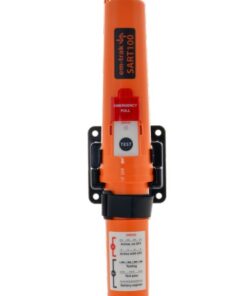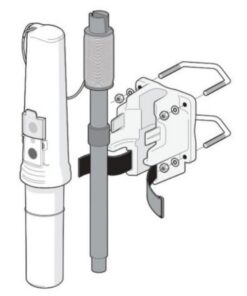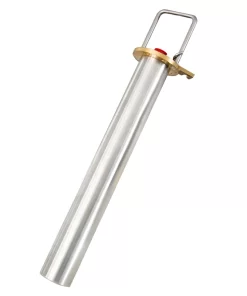
EPIRB Features & Benefits
๐ฐ๏ธ Satellite-based distress signal transmission
๐ Built-in GPS for precise location data
๐ Automatic activation when submerged (Category I)
๐ Long-lasting battery (48+ hours operation)
๐จ Global coverage via COSPAS-SARSAT system
โ Float-free design with water activation
๐ก 406 MHz frequency for international recognition
๐ก๏ธ Rugged construction for marine environments
๐ No subscription fees required
๐ 5-year maintenance certification available
EPIRB Services
EPIRB Supply
We provide high-quality Category I and II EPIRBs from leading manufacturers like Jotron and CEC.
Programming & Certification
Professional EPIRB programming and certification compliant with SOLAS regulations.
Maintenance & Testing
5-year shore maintenance, battery replacement, and full functionality testing.
EPIRB Types
โ Category I (Auto-deploying)
๐ฅ๏ธ Category II (Manual activation)
๐ถ 406 MHz satellite frequency
๐ GPS-equipped models
โ AIS-enabled EPIRBs
Compliance & Standards
๐ COSPAS-SARSAT approved
๐ข IMO SOLAS compliant
๐ GMDSS requirements
๐ Battery replacement cycles
๐ก๏ธ Waterproof & buoyant design
EPIRB Frequently Asked Questions (FAQs)
An EPIRB is a distress beacon that transmits your position to search and rescue authorities via satellite when activated in an emergency.
When activated, it sends a 406 MHz distress signal with GPS coordinates to satellites, which relay the alert to rescue coordination centers.
Category I activates automatically when submerged, while Category II requires manual activation.
Required for commercial vessels; highly recommended for all boats venturing offshore where help may be distant.
Typically 48+ hours when activated. Batteries should be replaced every 4-5 years as per manufacturer guidelines.
Yes, but only using the self-test function to avoid false alerts. Never do a full transmission test without coordination.
Yes, they’re designed to float and operate while submerged in water.
Professional inspection and battery replacement every 5 years is required to maintain certification.
Primarily for maritime use, but can be effective in remote land emergencies where other communication fails.
Immediately contact rescue authorities to cancel the false alert and prevent unnecessary search operations.