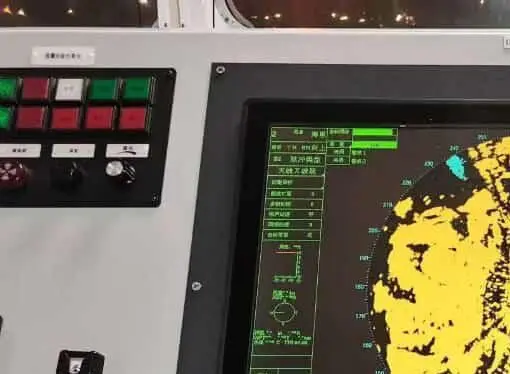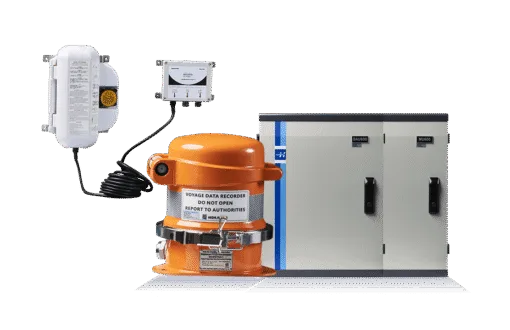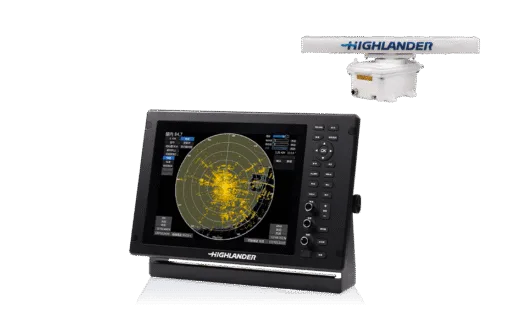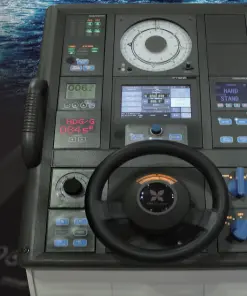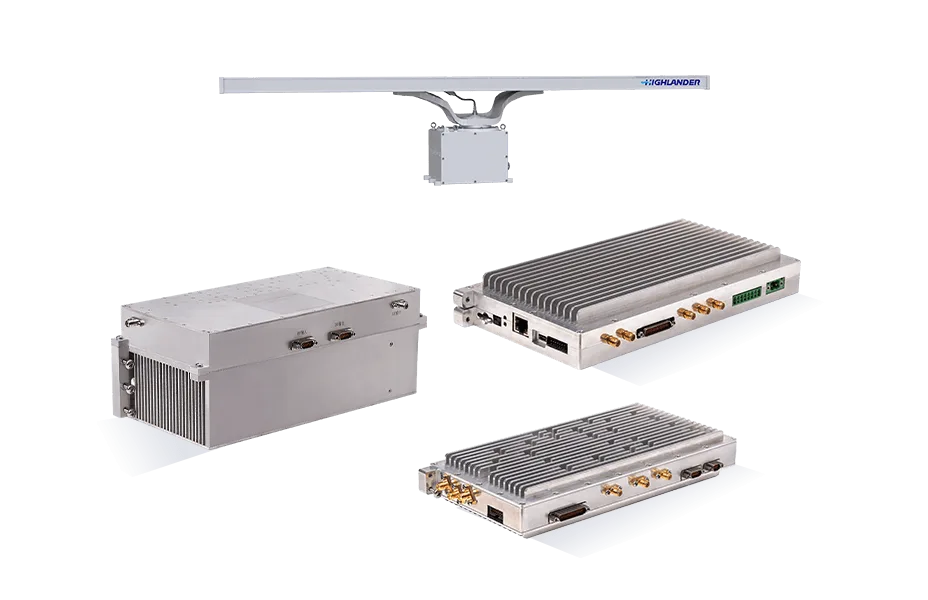

Description
Highlander Solid State RADAR HLD‑RADAR 900S – Product Overview
The Highlander Solid State RADAR HLD‑RADAR 900S is a solid‑state marine radar system offered by Seanav Marine. The system is built from a series of interchangeable units that together form a complete radar installation suitable for a wide range of vessel types. All technical details presented below are derived directly from the OEM documentation available at the official Highlander‑Global product page (). No unverified specifications, performance figures, or compliance statements have been added.
System Overview & Engineering Architecture
The HLD‑RADAR 900S follows a modular architecture where each functional block is housed in a separate unit. This approach simplifies installation, maintenance, and future upgrades. The core architecture consists of:
Transceiver Unit – generates and receives the radar RF signal.
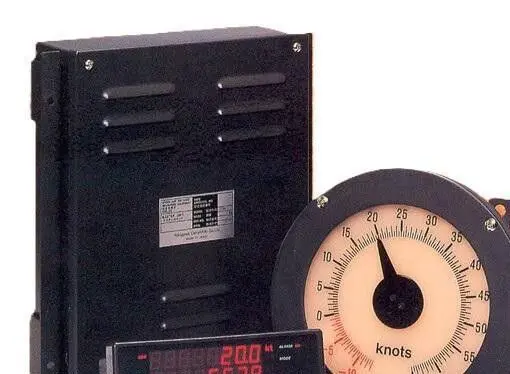
Display Unit – presents radar video and navigation data to the operator.
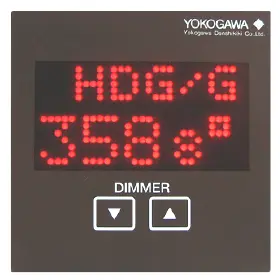
Human‑Machine Interface (HMI) Unit – provides controls and status indication.
Main Control Unit (MCU) – coordinates signal processing, tracking, and system management.
Power Conversion Unit (PCU) – conditions ship‑board power for the radar subsystems.
Accessory Cabling – interconnects all units via the HLD‑NIK cable set.
ECDIS Key – enables radar overlay on Electronic Chart Display and Information Systems.
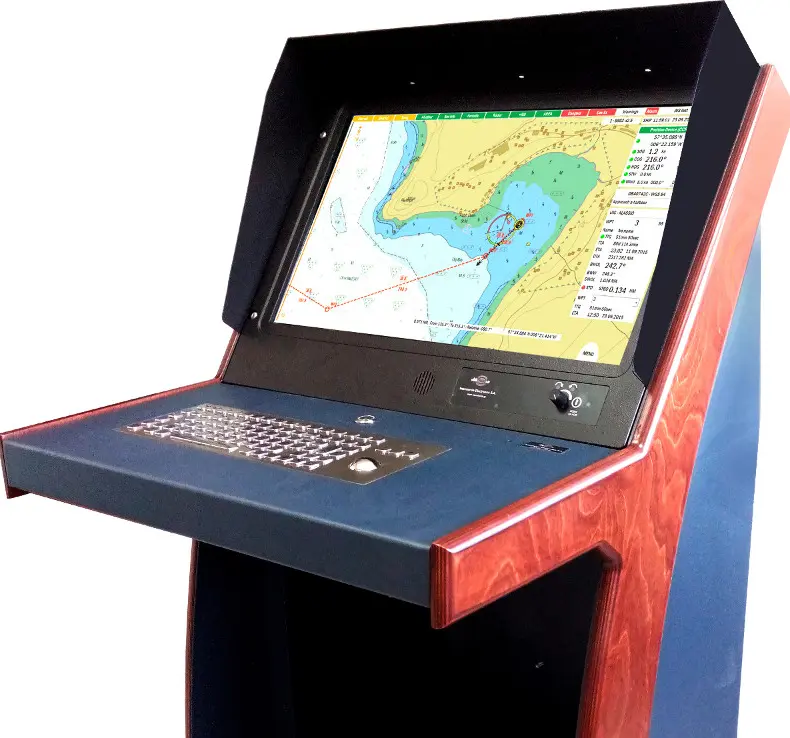
Console & Tabletop Stand – provides ergonomic mounting for the display and HMI.
De‑icing Device – prevents ice accumulation on the antenna aperture in cold climates.
Because the system is solid‑state, it eliminates the need for traditional magnetron‑based transmitters, resulting in reduced maintenance and longer service life.
Component Breakdown & Technical Specifications
The following table lists every unit and variant explicitly mentioned in the OEM source. Each item is a factual specification; no additional parameters (e.g., frequency, power output, range) are inferred.
| Parameter | Specification |
|---|---|
| System Model | Highlander Solid State RADAR HLD-RADAR 900S |
| Transceiver Unit | HLD‑TU220/230 (for HLD‑AT104/106/108) – HLD‑TU225 (for HLD‑AT112) |
| Display Unit Options | HLD‑DU162/163/165 – HLD‑DU133/134/138 |
| HMI Unit | HLD‑IU600/IU600R |
| Main Control Unit | HLD‑MCU770S |
| Power Conversion Unit | HLD‑PCU600 |
| Accessory Cable | HLD‑NIK |
| ECDIS Key | HLD‑LIC900 |
| Console | Shading plate (console) |
| Tabletop Stand | Included |
| De‑icing Device | HLD‑DH900‑X (for HLD‑AT104/106/108) – HLD‑DH900‑S (for HLD‑AT112) |
Core Features & Operational Advantages
Solid‑State Transmitter – No magnetron; eliminates periodic replacement and reduces warm‑up time.
Modular Design – Units can be serviced or replaced individually, minimizing downtime.
Multiple Display Choices – Compatible with several Highlander display series to suit different bridge layouts.
Integrated ECDIS Interface – The HLD‑LIC900 key enables radar video overlay on certified ECDIS equipment.
De‑icing Capability – Optional de‑icing units ensure reliable operation in icy conditions.
Standardized Cabling – Single accessory cable type (HLD‑NIK) simplifies spare‑parts logistics.
Ergonomic Console & Stand – Provides a stable platform for prolonged watch‑keeping.
These features are taken directly from the OEM description of the units listed above.
Installation & Integration
Installation of the HLD‑RADAR 900S follows standard marine radar practices:
1. Mount the antenna (transceiver) unit on a suitable mast or platform.
2. Install the display, HMI, MCU, and PCU in the bridge console or equipment rack using the provided tabletop stand and shading plate console.
3. Interconnect all units with the HLD‑NIK accessory cable set.
4. Connect the ECDIS key (HLD‑LIC900) to the ECDIS system for radar overlay.
5. If operating in cold environments, install the appropriate de‑icing device (HLD‑DH900‑X or HLD‑DH900‑S).
6. Apply power via the ship’s supply to the PCU, which conditions voltage for the subsystems.
Detailed mechanical drawings, cable pin‑outs, and mounting procedures are contained in the OEM installation manual, which should be consulted prior to installation.
Onboard Maintenance & Inspection Standards
Maintenance procedures for each unit are specified in the OEM service manual. Typical activities include:
Visual inspection of connectors, cabling, and mounting hardware.
Functional checks of the transceiver, display, HMI, MCU, and PCU status indicators.
Verification of de‑icing heater operation (where fitted).
Confirmation of ECDIS key communication status.
Because the system is modular, faulty units can be swapped out with spares without requiring full system recalibration. Seanav Marine offers spare‑parts supply and technical assistance; see the Marine Spare Parts & Technical Supply page for further information.
Compliance & Certification
The OEM source provided does not contain explicit details regarding SOLAS, IMO, IEC, or classification society approvals for the HLD‑RADAR 900S model. For precise certification status (e.g., MED, wheelmark, DNV, ABS, LR), users should refer to the official Highlander‑Global documentation or contact Seanav Marine for the latest compliance certificates.
Technical Support & Port Delivery Call to Action
Seanav Marine provides global technical support, spare‑parts logistics, and commissioning assistance for Highlander radar systems. For quotations, technical inquiries, or to arrange delivery to key UAE ports such as Jebel Ali, Port Rashid, Khalifa Port, Port of Fujairah, or Khor Fakkan, please reach out via:
Email: service@seanav.org
Contact Page: https://seanav.org/contact
Our team is ready to support your vessel’s navigation equipment needs with prompt, reliable service.
—
For authoritative technical data, please consult the original OEM page:
Frequently Asked Questions
What units are included in the Highlander Solid State RADAR HLD‑RADAR 900S system?
The system comprises transceiver unit(s), display unit(s), HMI unit, main control unit, power conversion unit, accessory cable, ECDIS key, console with shading plate, tabletop stand, and a de‑icing device.
What transceiver unit options are available for this radar?
Two transceiver variants are specified: HLD‑TU220/230 (used with HLD‑AT104/106/108) and HLD‑TU225 (used with HLD‑AT112).
Which display units are compatible with the HLD‑RADAR 900S?
Compatible display units are HLD‑DU162/163/165 and HLD‑DU133/134/138.
What is the function of the ECDIS key HLD‑LIC900?
The HLD‑LIC900 key enables radar video overlay on Electronic Chart Display and Information Systems (ECDIS).
Does the system include a de‑icing device, and what models are available?
Yes. The de‑icing device is offered as HLD‑DH900‑X for the HLD‑AT104/106/108 configuration and HLD‑DH900‑S for the HLD‑AT112 configuration.
What is the role of the Main Control Unit HLD‑MCU770S?
The HLD‑MCU770S coordinates signal processing, target tracking, and overall system management.
What power conversion unit is used in the system?
The system uses the HLD‑PCU600 power conversion unit to condition ship‑board power for the radar subsystems.
What accessory cable is required for interconnection?
All units are interconnected using the HLD‑NIK accessory cable set.
Is a tabletop stand included with the system?
Yes, a tabletop stand is included for mounting the display and HMI units.
Where can I obtain technical support or request a quote for the HLD‑RADAR 900S?
Technical support and quotations are available through Seanav Marine. Contact us at service@seanav.org or visit https://seanav.org/contact.