Description
System Overview & Engineering Architecture
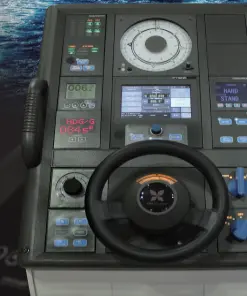
The Highlander HLD-INS 600 Integrated Navigation System represents the second-generation advancement in intelligent bridge technology from Highlander. As the first integrated navigation system in China to achieve dual type approval from CCS (China Classification Society) and DNV-GL, it sets a benchmark for domestic maritime navigation systems.
Built on a robust foundation of dual-redundant Gigabit Ethernet architecture, the HLD-INS 600 ensures high availability and fault tolerance critical for safe navigation. All workstations operate on identical hardware and software platforms, utilizing ultra-compact, fanless industrial main control computers with solid-state drives for maximum reliability in marine environments.
The system architecture is modular and scalable, allowing configuration from basic radar or ECDIS setups to fully integrated multifunctional workstations. Minimum redundancy requires three workstations to support essential functions including route planning, route monitoring, collision avoidance, navigational status display, and central alert management.
Core Features & Operational Advantages
Improved Safety
The HLD-INS 600 enhances navigational safety through multiple integrated technologies:
- CCRS (Consistent Common Reference System): Validates all sensor data for accuracy, plausibility, latency, and integrity. It selects optimal data sources and distributes consistent information to all system modules via LAN, ensuring every display uses the same reference data.
- CAM (Central Alert Management): Consolidates all system alerts based on priority, category, and timestamp, presenting them in a unified interface. This minimizes alert fatigue and prevents misinterpretation of complex warning information.
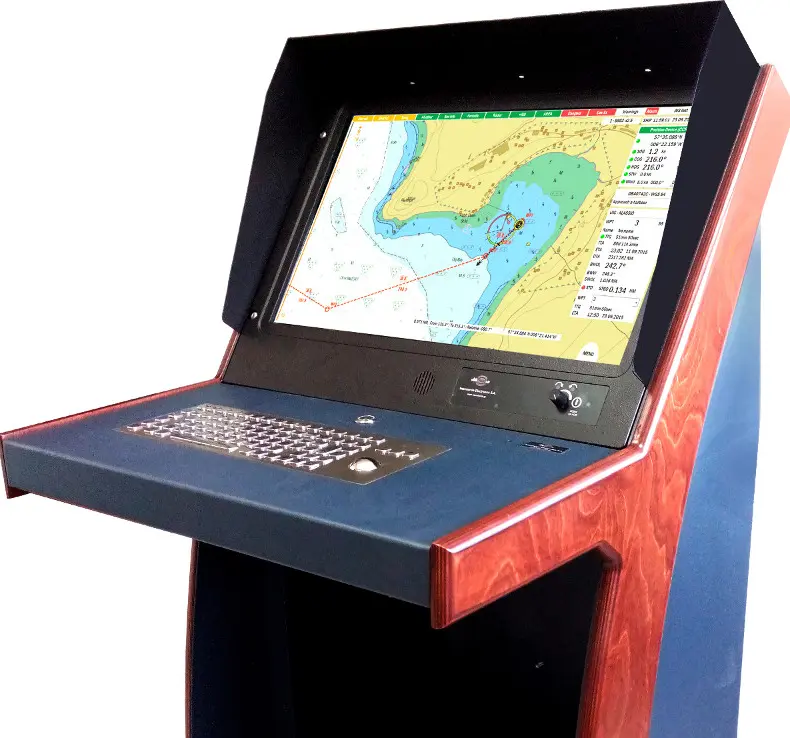
- Multi-layer Data Overlay: Radar and AIS targets are overlaid directly on electronic charts, complemented by weather data and NAVTEX integration for comprehensive situational awareness.
- Workstation Redundancy: Multiple multifunctional workstations provide backup capability, reducing single-point failures for critical navigation functions.
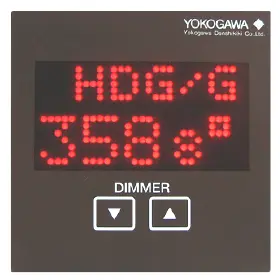
- Unified Workstation Operations: Single workstations handle multiple tasks including data display, alert monitoring, and environmental controls like one-key dimming.
- Shared Data Architecture: All workstations access identical real-time data, streamlining coordination and eliminating discrepancies.
- Track Control Automation: Maintains vessel course along planned routes, reducing manual rudder adjustments and crew workload.
- Consistent User Interface: Uniform design across all modules shortens training time and improves response speed during critical operations.
- 12 ft. S-Band Antenna – HLD-AT112
- Transceiver Unit – HLD-TU130
- Power Supply Unit – HLD-PCU600
- Display Unit – HLD-DU162/163/165/138/134
- Main Control Unit – HLD-MCU770
- Human Interface Unit – HLD-IU600
- UPS (Optional)
- 6/8 ft. X-Band Antenna – HLD-AT106/108
- Transceiver Unit – HLD-TU110/125
- Power Supply Unit – HLD-PCU600
- Display Unit – HLD-DU162/163/165/138/134
- Main Control Unit – HLD-MCU770
- Human Interface Unit – HLD-IU600
- UPS (Optional)
- Power Supply Unit – HLD-PCU600
- Display Unit – HLD-DU162/163/165/138/134
- Main Control Unit – HLD-MCU770
- Human Interface Unit – HLD-IU600
- UPS (Optional)
- Power Supply Unit – HLD-PCU600
- Display Unit – HLD-DU162/163/165/138/134
- Main Control Unit – HLD-MCU770
- Human Interface Unit – HLD-IU600
- UPS (Optional)
- Follow-Up Unit (Dual Channel) – HLD-FU200
- Non-Follow-Up Unit (Dual Channel) – HLD-NFUV200
- Steering Mode Switch – HLD-SW200
- Alarm Display Unit – HLD-ADU600
- Steering Control Unit – HLD-SCU600
- Steering Compass Repeater – HLD-RP200
- Steering Console (Option) – HLD-ST200
- Rudder Angle Feedback Unit – HLD-RF600
- Automation Control Unit – HLD-ACU600
- Relay – HLD-RE200 (Qty. 2)
- LAN Switch – HLD-LS600 (Qty. 2)
- Signal Conversion Unit – HLD-SCU600
- IMO MSC.252(83): International Maritime Organization resolution governing performance standards for integrated navigation systems
- IEC 61924-2: International Electrotechnical Commission standard for maritime navigation equipment
- CCS Type Approval: Certified by China Classification Society
- DNV-GL Type Approval: Certified by Det Norske Veritas Germanischer Lloyd
- Periodic inspection of display units and main control computers
- Verification of CCRS sensor data validation algorithms
- Testing of CAM alert presentation and logging functions
- Network integrity checks for dual-redundant Ethernet architecture
- UPS battery health assessments where optional power backup is installed
Increased Efficiency
Operational efficiency is maximized through:
System Customization
Designed around standardized hardware modules and interfaces, the HLD-INS 600 offers flexible configuration tailored to individual vessel requirements and budgets. System components communicate over LAN, enabling scalable deployment from basic navigation aids to full integrated bridge systems.
Component Breakdown & Technical Specifications
The HLD-INS 600 integrates seamlessly with various Highlander subsystems:
S-Band Radar System and Multifunction Workstation
X-Band Radar System and Multifunction Workstation
ECDIS System and Multifunction Workstation
Conning & Alert Management System and Multifunction Workstation
Steering Control System
Other Components
For related bridge electronics, explore our range of Highlander HLD-RADAR 300 and HLD-ECDIS 600 systems.
SOLAS, IMO, IEC & Classification Society Compliance
The HLD-INS 600 meets stringent international maritime standards:
These certifications ensure compliance with SOLAS Chapter V navigation safety requirements and global regulatory frameworks for commercial shipping vessels operating in UAE waters and international waters.
Onboard Maintenance & Inspection Standards
Regular maintenance of the HLD-INS 600 should follow manufacturer-recommended intervals aligned with class society requirements. Key maintenance activities include:
For professional maintenance services in UAE ports including Jebel Ali, Khalifa Port, and Port of Fujairah, contact our certified technicians.
Technical Support & Port Delivery
Seanav Marine provides comprehensive technical support for the Highlander HLD-INS 600 across UAE commercial ports. Our team specializes in installation, commissioning, calibration, and ongoing maintenance aligned with GMDSS radio survey requirements and class society inspection protocols.
We maintain inventory of critical spares including HLD-DU series displays, HLD-MCU770 control units, and HLD-PCU600 power supplies.
Contact Seanav Marine Technical Team for immediate assistance with your HLD-INS 600 system.
Frequently Asked Questions
Frequently Asked Questions
Q1: What classification society approvals does the HLD-INS 600 hold?
A: The HLD-INS 600 has passed type approval tests from both CCS (China Classification Society) and DNV-GL, making it the first integrated navigation system in China with dual approval.
Q2: Which international standards does the HLD-INS 600 comply with?
A: It fully meets the requirements of IMO MSC.252(83) and IEC 61924-2 standards for integrated navigation systems.
Q3: What is the minimum number of workstations required for the HLD-INS 600?
A: Based on redundancy requirements, a minimum of three multifunctional workstations is needed to support route planning, route monitoring, collision avoidance, navigational data display, status display, and alert management.
Q4: What functions are supported by each multifunctional workstation?
A: Each workstation supports route planning, route monitoring, collision avoidance, track control, navigational status and data display, and central alert management.
Q5: How does CCRS improve navigation safety?
A: CCRS (Consistent Common Reference System) checks the validity, plausibility, latency, and integrity of all sensor data, selects the best data source, and transmits it to all modules via LAN to ensure data consistency across the system.
Q6: What is the role of CAM in the HLD-INS 600?
A: CAM (Central Alert Management) supplies the presentation and handling of all alerts based on priority, category, and timestamp. It helps operators handle alerts according to urgency and provides an alert history view for the past 24 hours.
Q7: Can the HLD-INS 600 integrate with existing radar and ECDIS systems?
A: Yes, the system is designed to seamlessly integrate sensors for position, heading, speed, surrounding targets, and other navigation safety-related data, including radar and ECDIS functionality.
Q8: What type of network architecture does the HLD-INS 600 use?
A: The system is based on dual-redundant Gigabit Ethernet architecture, ensuring high availability and fault tolerance.
Q9: Are spare parts available for the HLD-INS 600 components?
A: Yes, Seanav Marine maintains inventory of critical spares including display units (HLD-DU series), main control units (HLD-MCU770), power supply units (HLD-PCU600), and other system components.
Q10: Where can I get technical support for the HLD-INS 600 in the UAE?
A: Seanav Marine provides comprehensive technical support across UAE commercial ports including Jebel Ali, Khalifa Port, and Port of Fujairah. Contact our technical team for installation, maintenance, and repair services.