

Description
System Overview & Engineering Architecture
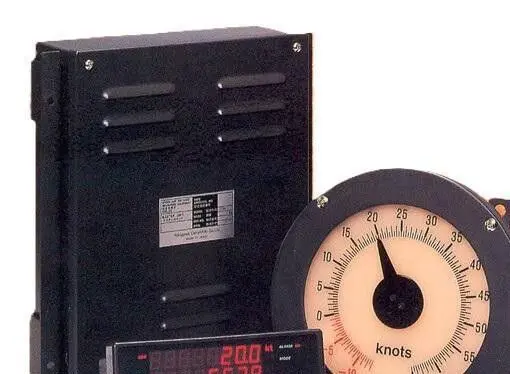
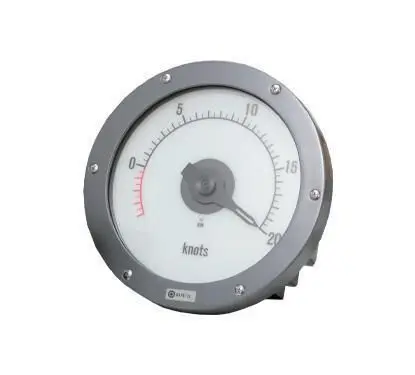
The Ydk-Tech Electromagnetic Log EML900 is a marine speed measurement instrument engineered to provide real-time vessel speed through water (STW) data. Electromagnetic logs operate on the principle of Faraday’s law of electromagnetic induction, wherein a voltage is induced in seawater as it flows through the Earth’s magnetic field. The EML900 captures this induced voltage and converts it into a speed reading displayed on the vessel’s bridge instrumentation or integrated navigation system.
As a product listed in the Ydk-Tech OEM catalog, the EML900 is designed for deployment across commercial shipping vessels, offshore support vessels, and other marine platforms operating in regional and international waters. The system architecture typically comprises a sensor element mounted on the hull below the waterline and a transmitter/receiver unit installed within the engine room or navigation bridge. The sensor interacts directly with the seawater flow, while the transmitter processes the induced signal and outputs speed data in knots or kilometers per hour.
Seanav Marine supplies the Ydk-Tech Electromagnetic Log EML900 to the UAE maritime sector, supporting fleet operators, ship managers, and maintenance organizations across Jebel Ali Port, Port Rashid, Khalifa Port, Port of Fujairah, and Khor Fakkan. The product is positioned as a reliable speed reference for navigation systems, engine performance monitoring, and voyage data recording.
Core Features & Operational Advantages
Electromagnetic speed logs such as the EML900 offer several operational advantages for marine vessels. The measurement principle is independent of propeller slip, making it a valuable cross-reference for shaft-based speed indicators. The EML900 provides continuous speed output that is unaffected by hull fouling or propeller condition, delivering consistent performance across varying draft conditions and hull states.
The electromagnetic sensing method requires no moving parts in the flow path, reducing mechanical wear and maintenance requirements compared to paddle-wheel or impeller-type speed logs. This design characteristic contributes to long service intervals and reduced lifecycle maintenance costs for vessel operators. The sensor installation is typically a through-hull or hull-mounted configuration that integrates with the vessel’s existing hull structure without requiring extensive modification.
The EML900 output signal is compatible with standard marine instrumentation protocols, enabling integration with chart plotters, integrated bridge systems (IBS), engine room monitoring systems, and voyage data recorders. This interoperability ensures that speed data is available at all required navigation and operational stations on board.
For vessels operating in the UAE waters under the regulatory oversight of the Federal Transport Authority (FTA), the EML900 provides a speed measurement reference that supports compliance with SOLAS Chapter V navigation requirements and IMO performance standards for marine equipment.
Component Breakdown & Technical Specifications
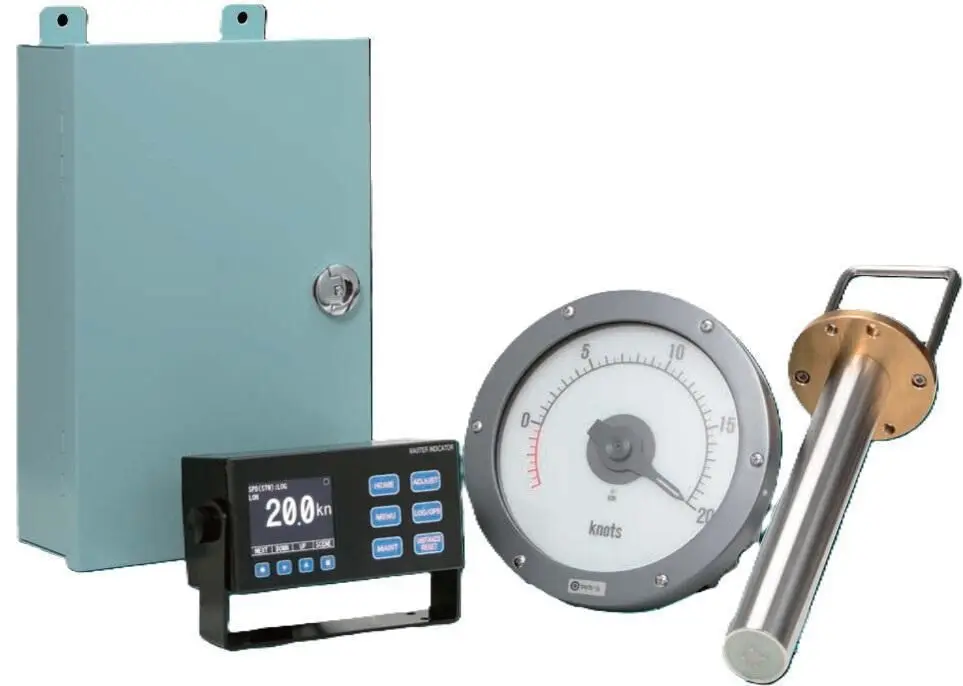
The Ydk-Tech Electromagnetic Log EML900 system comprises the following primary components as described in the OEM catalog documentation:
- Electromagnetic Sensor Unit: The hull-mounted sensor element that detects the voltage induced by seawater flow through the Earth’s magnetic field. The sensor is designed for subsea installation and is constructed from materials suitable for marine immersion environments.
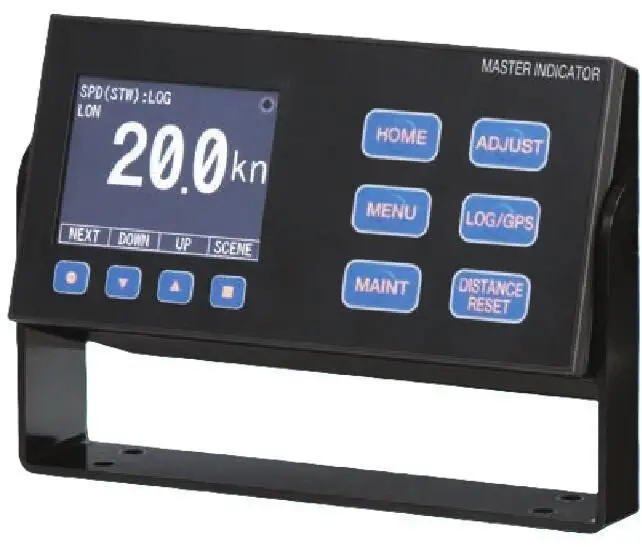
- Transmitter/Signal Processing Unit: The unit that processes the raw sensor signal and converts it into a standardized speed output. This unit is typically installed in the engine room or navigation bridge and connects to the vessel’s electrical system.
- Cabling and Connectors: Marine-grade cables and connectors that link the sensor to the transmitter, designed to withstand the marine environment and ensure signal integrity.
- Mounting Hardware: Through-hull fittings, mounting brackets, and sealing components required for sensor installation on the vessel hull.
- SOLAS Chapter V: The International Convention for the Safety of Life at Sea requires vessels to carry adequate navigation equipment. Speed measurement is a fundamental navigational parameter, and the EML900 serves as a reference instrument supporting SOLAS compliance for vessels subject to this chapter.
- IMO Performance Standards: The International Maritime Organization establishes performance standards for navigation equipment. Electromagnetic logs are evaluated against IMO standards for accuracy, reliability, and operational suitability in the marine environment.
- IEC Standards: The International Electrotechnical Commission publishes standards governing electrical and electronic equipment used on marine vessels. The EML900 is designed in accordance with applicable IEC standards for marine electrical equipment, including those addressing electromagnetic compatibility, insulation, and environmental endurance.
- Classification Society Approvals: Vessels classed by organizations such as DNV, ABS, and Lloyd’s Register require marine equipment to meet class society rules. The EML900 is sourced from Ydk-Tech, a manufacturer whose products are recognized within the classification framework. Specific class approvals for the EML900 model should be verified against the current OEM catalog documentation.
- Sensor Inspection: Visual inspection of the sensor body and through-hull fitting for biofouling, corrosion, or physical damage. The sensor face should be cleaned to ensure unimpeded seawater flow across the sensing element.
- Electrical Continuity Testing: Verification of cable integrity between the sensor and transmitter, including insulation resistance testing and continuity checks on all signal and power conductors.
- Transmitter Calibration Check: Periodic verification of the transmitter output against a known reference speed source to confirm measurement accuracy remains within the specified tolerance.
- Connector and Sealing Integrity: Inspection of all cable glands, connectors, and sealing surfaces for water ingress signs, with replacement of degraded seals as necessary.
Detailed technical specifications, including sensor dimensions, electrical parameters, output signal types, accuracy ratings, and operating temperature ranges, are documented in the official Ydk-Tech OEM catalog for the EML900 series. Seanav Marine recommends referencing the Official OEM Product Reference Page for the complete specification sheet.
For vessels requiring complementary speed measurement equipment or replacement sensors, Seanav Marine also supplies the Ydk Technology Yokogawa EML500 Speed Log Sensor LS571-1N2 and the broader Marinelite EML9000 Electromagnetic Speed Log product range.
SOLAS, IMO, IEC & Classification Society Compliance
Marine navigation equipment including electromagnetic speed logs must comply with international regulatory frameworks to ensure safe vessel operation. The Ydk-Tech Electromagnetic Log EML900 is designed to meet the requirements applicable to marine speed measurement devices under the following standards and conventions:
Vessel operators in the UAE should confirm the applicable class and flag state requirements with their classification society and the Federal Transport Authority (FTA) when specifying the EML900 for installation.
Onboard Maintenance & Inspection Standards
Electromagnetic speed logs require periodic maintenance to ensure continued measurement accuracy and operational reliability. The EML900 sensor, being a through-hull or hull-mounted device, is subject to the marine environment and should be inspected during scheduled dry-docking or in-water survey intervals.
Recommended maintenance practices for the EML900 system include:
Seanav Marine provides Marine Speed Log Repair Service in JNPA and related maintenance capabilities for electromagnetic log systems. For ongoing support, spare parts, and technical assistance, contact the Seanav Technical Team.
Technical Support & Port Delivery
Seanav Marine delivers the Ydk-Tech Electromagnetic Log EML900 across the UAE maritime logistics network, including Jebel Ali Port, Port Rashid, Khalifa Port, Port of Fujairah, and Khor Fakkan. The product is available for purchase, installation support, and technical consultation through Seanav Marine’s marine equipment supply and service division.
For fleet operators managing multiple vessels, Seanav Marine offers supply chain solutions for navigation equipment spares, including electromagnetic log sensors, transmitters, and mounting components. The Marine Speed Log service provider network supports installation, commissioning, and repair services at major UAE ports.
To discuss the Ydk-Tech Electromagnetic Log EML900 for your vessel fleet, request technical documentation, or obtain a quotation, please visit the Seanav Marine Contact Page. The technical team is available to assist with product selection, compatibility verification, and delivery logistics for the UAE maritime market.
For additional marine navigation and electrical systems, Seanav Marine also supplies UPS Systems – UPSS, Battery Systems, Emergency Lighting Systems – ELS, Navigation Light Systems – NLS, and Generator Synchronization Systems – GSS.
Frequently Asked Questions
1. What is the Ydk-Tech Electromagnetic Log EML900 used for?
The EML900 is an electromagnetic speed log used to measure a vessel’s speed through water (STW). It operates on the principle of electromagnetic induction, detecting the voltage induced in seawater as it flows through the Earth’s magnetic field, providing continuous speed data for navigation and operational purposes.
2. How does an electromagnetic log differ from other speed measurement devices?
Unlike paddle-wheel or impeller-type speed logs that have moving parts in contact with seawater, the electromagnetic log has no moving parts in the flow path. This reduces mechanical wear and maintenance requirements. Additionally, electromagnetic log readings are independent of propeller slip, providing a complementary speed reference to shaft-based indicators.
3. Is the EML900 compliant with SOLAS and IMO standards?
The EML900 is designed to meet the requirements applicable to marine speed measurement devices under SOLAS Chapter V and IMO performance standards. Vessel operators should verify the specific compliance documentation against the current OEM catalog and confirm applicability with their classification society and flag state authority.
4. What classification societies recognize the EML900?
The EML900 is sourced from Ydk-Tech, a manufacturer whose products are recognized within the classification framework. Specific approvals from DNV, ABS, Lloyd’s Register, or other classification societies should be confirmed against the OEM catalog documentation for the EML900 series.
5. Where can the EML900 be installed on a vessel?
The EML900 sensor is a hull-mounted or through-hull installation located below the waterline, typically on the hull bottom or keel area. The transmitter/processing unit is installed in the engine room or navigation bridge, connected via marine-grade cabling.
6. What maintenance does the EML900 require?
Periodic inspection of the sensor for biofouling, corrosion, or physical damage is recommended. Cable continuity and insulation resistance testing, transmitter output verification against a reference source, and inspection of connector sealing integrity should be performed at intervals aligned with the vessel’s maintenance schedule and class requirements.
7. Can the EML900 be integrated with existing vessel navigation systems?
Yes. The EML900 output signal is compatible with standard marine instrumentation protocols, enabling integration with chart plotters, integrated bridge systems (IBS), engine room monitoring systems, and voyage data recorders.
8. Does Seanav Marine provide installation and repair services for the EML900?
Seanav Marine supports the UAE maritime market with supply, installation consultation, and repair services for electromagnetic log systems. For service availability at specific ports including Jebel Ali, Port Rashid, Khalifa Port, Port of Fujairah, and Khor Fakkan, contact the Seanav Technical Team via the Seanav Marine Contact Page.